
September 11, 2026/
Ventura County Mortgage Rates: September 2026 Update September 2026 Mortgage Update Ventura County Mortgage Rates: September 2026 Update Rates have...

ADU standard plans Ventura Los Angeles are the fastest way to cut plan-check time in 2026—because the building design is already reviewed, and staff can focus on site details instead of re-reviewing the same unit from scratch. First, Ventura offers FREE standard plan sets, so you can skip custom architecture early and move straight to a site plan that actually clears zoning and utility reality. Additionally, Los Angeles runs the Los Angeles ADU standard plan program through LADBS, and LADBS ADU standard plans can reduce plan-check churn by keeping the plan consistent while reviewers verify zoning, foundation notes, and your property’s constraints. However, standard plans don’t eliminate the hard parts: setbacks, parking exemptions, and utility upgrades still drive cost and ADU permit timeline 2026 outcomes. As a result, the owners who win with ADU standard plans 2026 are the ones who verify zoning first, confirm panel and sewer capacity, and submit a complete package the first time. In practice, the sections below break down Ventura County ADU plans vs LADBS, real cost ranges (conversion vs detached), and a step-by-step workflow so you can choose the fastest path for your lot and budget.
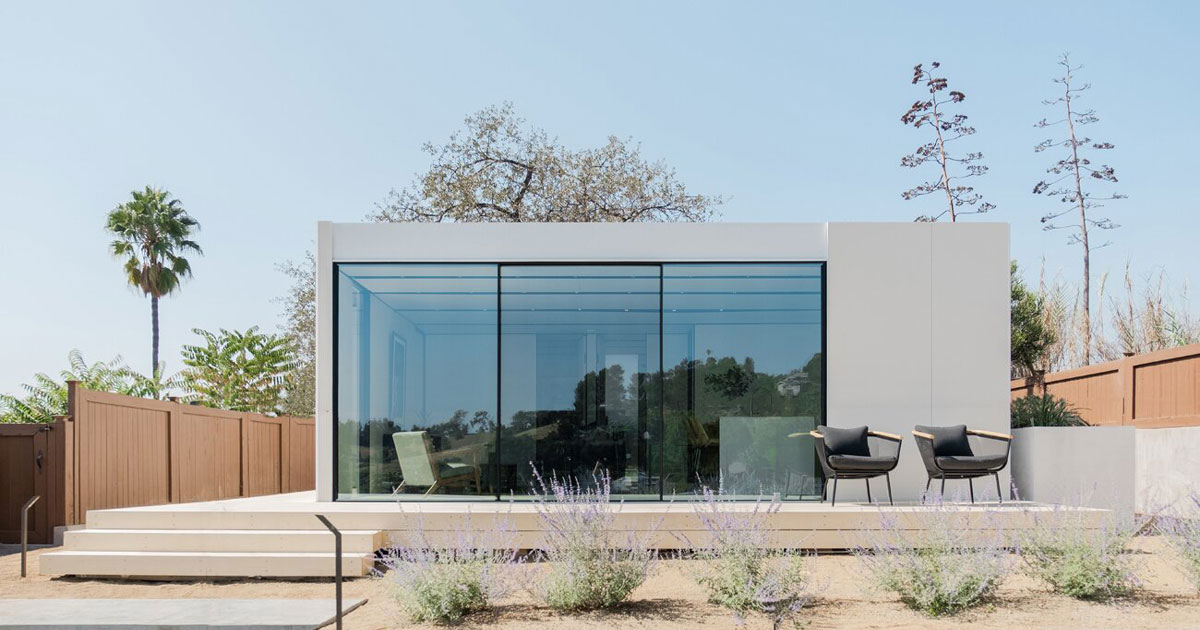
Additionally, if you’re financing, start with a clear approval + budget so your contractor timeline doesn’t drift mid-permit.
First, a standard plan is a pre-reviewed plan set. In contrast to custom design, it’s built so the jurisdiction doesn’t have to re-check the building layout from scratch each time.
Additionally, California Government Code sections 65852.2 and 65852.22 establish the statewide ADU framework that shapes how local jurisdictions implement standard plan programs.
Additionally, your site plan is what actually gets tested against zoning, setbacks, and utilities.
However, plan edits (window moves, plumbing shifts, structural changes) can trigger broader review and erase the time savings. Therefore, treat standard plans as a “use it as-is” shortcut.
Moreover, if you’re building with a financing timeline, start with the 2026 mortgage pre-approval guide for ADU financing so your permitting and draw schedule stay aligned.
In contrast to custom plans, ADU standard plans 2026 mainly shift time from design review to site constraints. Specifically, this table shows what still moves your calendar.
| Topic | Ventura (City/County notes) | Los Angeles (LADBS) |
|---|---|---|
| Plan cost | First, Ventura publishes free plan sets (free ADU plans Ventura) you can use as a standardized starting point. Free plans | Additionally, LADBS ADU standard plans include a free City-owned option plus purchasable private plans under the Los Angeles ADU standard plan program. Free + paid options |
| Permit fees Ranges | However, permits and utilities still apply; standard plans mainly reduce redesign and review churn. Consequently, budget permits/plan check as “low-thousands plus utilities,” then confirm with your jurisdiction. Specifically, California Government Code limits how jurisdictions can charge for ADU applications to encourage development. | Similarly, LADBS reduces plan-check time for the plan design, while site-specific requirements can still add rounds. Therefore, plan for a similar “low-thousands plus utilities” baseline. |
| Max size & height | Ventura County ADU plans include standardized plan sizes (example: 700/900/1,188 sf detached options may be available depending on plan set). In practice, your site and zoning overlays still control fit. | LADBS standard plans vary by plan. Specifically, match the plan footprint to your buildable area before you commit. |
| Typical setbacks | In practice, setbacks are usually manageable for ADUs, but your site plan must show them clearly. Additionally, conversions can behave differently than detached new builds. | Similarly, the plan may “fit,” but your lot may not. Consequently, verify setbacks and overlays early to avoid corrections. |
| Parking rules | For example, many projects qualify for exemptions that remove parking entirely. However, you have to document the exemption on the site plan. | Specifically, parking is where LA projects lose time when the exemption isn’t clearly shown. Therefore, treat parking documentation as a plan-check priority. |
| Fire considerations | Meanwhile, fire-zone projects can add conditions for access and construction details. Consequently, confirm fire constraints early if you’re in a higher-risk area. | In contrast, flat lots often move cleanly. However, hillside and higher-risk zones can add time through additional requirements. |
| Utility tie-ins | Additionally, utility scope (panel, sewer, trenching) can swing your bid and schedule more than finishes. | Similarly, utility upgrades are the most common “hidden” delay driver. Therefore, validate utilities before you submit. |
| Review timeline | Specifically, your ADU permit timeline 2026 depends on application completeness and correction turnaround more than the plan set itself. | Consequently, LADBS can move faster on the plan design, but site constraints and slow resubmittals still extend the calendar. |
Second, standard plans reduce design churn; they do not erase construction costs. As a result, you should budget by separating soft costs (paperwork) from hard costs (build + utilities).
Additionally, use these ranges as a planning lens for ADU standard plans 2026, then refine with contractor bids after utilities and site checks.
Moreover, stress-test your monthly numbers with the Payment calculator and Affordability calculator before you commit to a construction draw schedule.
Third, treat ADU standard plans 2026 as a workflow: choose a plan, verify site, submit complete, respond fast. Meanwhile, your resubmittal speed is the easiest timeline lever you control.
Additionally, align your ADU plan with market context: Ventura County January 2026 market conditions affecting ADU values, San Fernando Valley 2026 market trends for ADU investments, and the Southern California 2026 housing forecast and ADU ROI projections.
In practice, site friction—not the plan set—is what slows approvals. Moreover, the most common delays come from utility surprises and easement conflicts. Therefore, run these checks before you lock a plan.
However, insurance can make or break feasibility in higher-risk areas—start with California ADU insurance requirements and FAIR Plan coverage before you finalize scope.
First, ADU standard plans Ventura Los Angeles can be “free” on the plan side in Ventura because Ventura publishes free plan sets you can start from. However, you still pay permits, utilities, and construction. Specifically, your real savings comes from fewer redesign loops and faster review when you keep the plan intact. Therefore, confirm setbacks and utilities before you submit to keep speed. Consequently, when comparing ADU standard plans Ventura Los Angeles side-by-side, Ventura’s free plan sets offer the lowest upfront design cost if you can keep modifications minimal.
Additionally, LADBS ADU standard plans can reduce plan-check time because the plan design is pre-reviewed. However, your timeline still depends on site constraints and correction turnaround. In practice, the fastest projects respond to corrections same-week and keep the plan unchanged.
However, parking is still site-dependent. Specifically, many projects qualify for exemptions, but you must document the exemption clearly on the site plan. Therefore, treat parking documentation as a plan-check priority, not an afterthought.
No. In contrast to plan design review, site plan and utilities are still reviewed. Consequently, panel capacity, sewer condition, easements, and setbacks will drive both your budget and ADU permit timeline 2026 outcomes.
For example, conversions are often cheaper because you reuse structure. However, if utilities or structural upgrades are heavy, detached pricing can look closer than expected. Therefore, verify utilities before you assume conversion is the “cheap” route.
In practice, it depends on your jurisdiction’s ordinance and eligibility rules. Therefore, treat separate sale/condo mapping as a city/county-specific strategy, not a default outcome.
Therefore, if you want a fast answer on whether your lot is a standard-plan slam dunk—or a hidden time sink—book a consult and I’ll map your blockers and your ADU permit timeline 2026.
Specifically, we’ll confirm standard plan fit, zoning constraints, utility upgrade risk, and a realistic timeline. Consequently, you’ll know whether Ventura County ADU plans or LADBS is your best fast-track.
Moreover, if you’re financing, reference: FHA loan limits 2026 (Ventura County), FHA loan limits 2026 (Los Angeles County), and the 2026 mortgage pre-approval guide for ADU financing.
External links open in a new tab.
Disclaimer: This guide is educational and general in nature and is not legal, engineering, architectural, or tax advice. Always verify current requirements with your local permitting agency and licensed professionals.
Ventura County Mortgage Rates: September 2026 Update September 2026 Mortgage Update Ventura County Mortgage Rates: September 2026 Update Rates have...

Can You Sell an ADU Separately in California? Your 2026 AB 1033 Guide for LA & Ventura County Sell an...
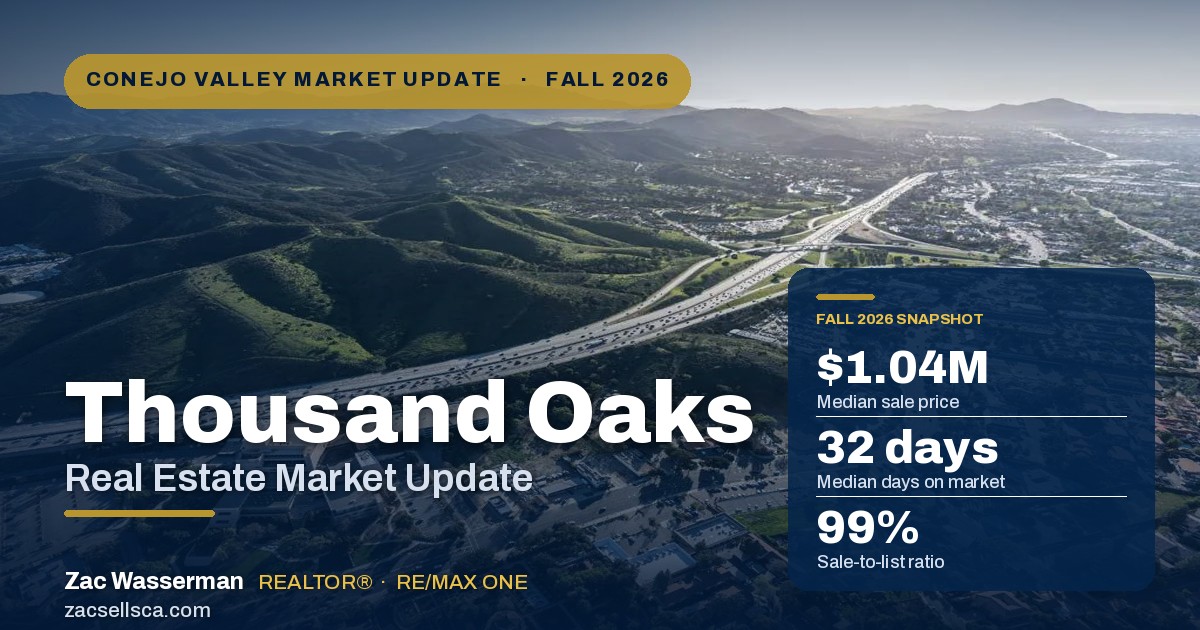
Conejo Valley Market Update · Fall 2026 Thousand Oaks Real Estate Market Update: Fall 2026 Prices remain firm, inventory is...
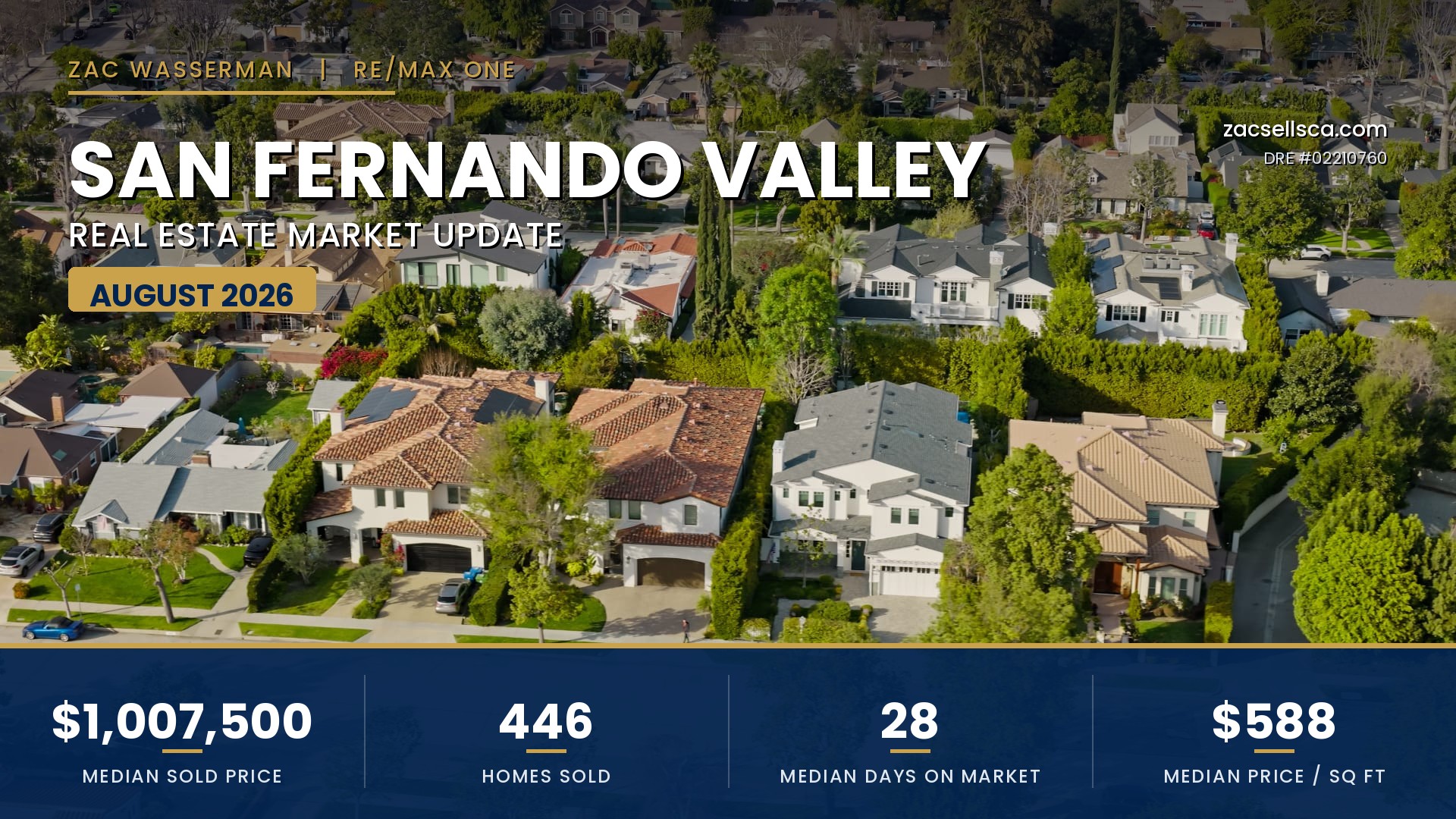
August 2026 • Local Market Report San Fernando Valley Housing Market Update: August 2026 Prices, Trends & City-by-City Data By...
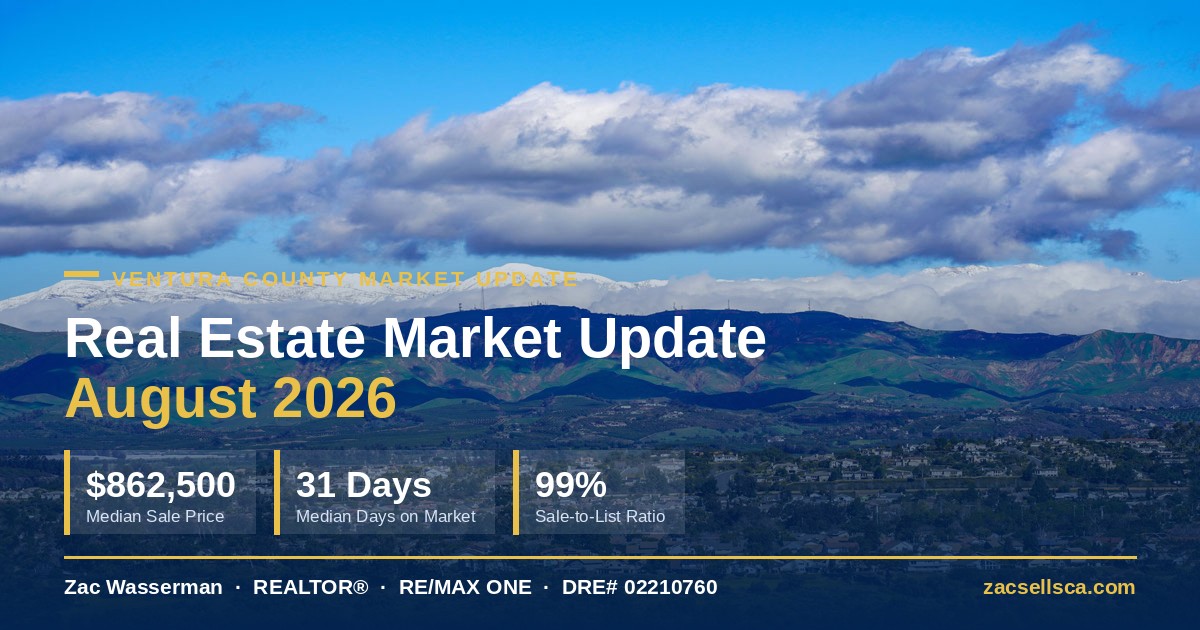
Ventura County Real Estate Market Update: August 2026 Ventura County Market Update — August 2026 Ventura County Real Estate Market...

Ventura County Real Estate Guide • 2026 Ventura County Foreclosures in 2026: How to Buy Smart or Sell Fast A...