
Home Insurance 2026: FAIR Plan + DIC, VHFHSZ Maps & What Buyers Must Do (Ventura & LA Counties)
A step-by-step, escrow-ready manual that explains how to secure coverage, how FAIR Plan + DIC fits together, how to evaluate VHFHSZ status, and how to protect your transaction from last-minute insurance surprises.
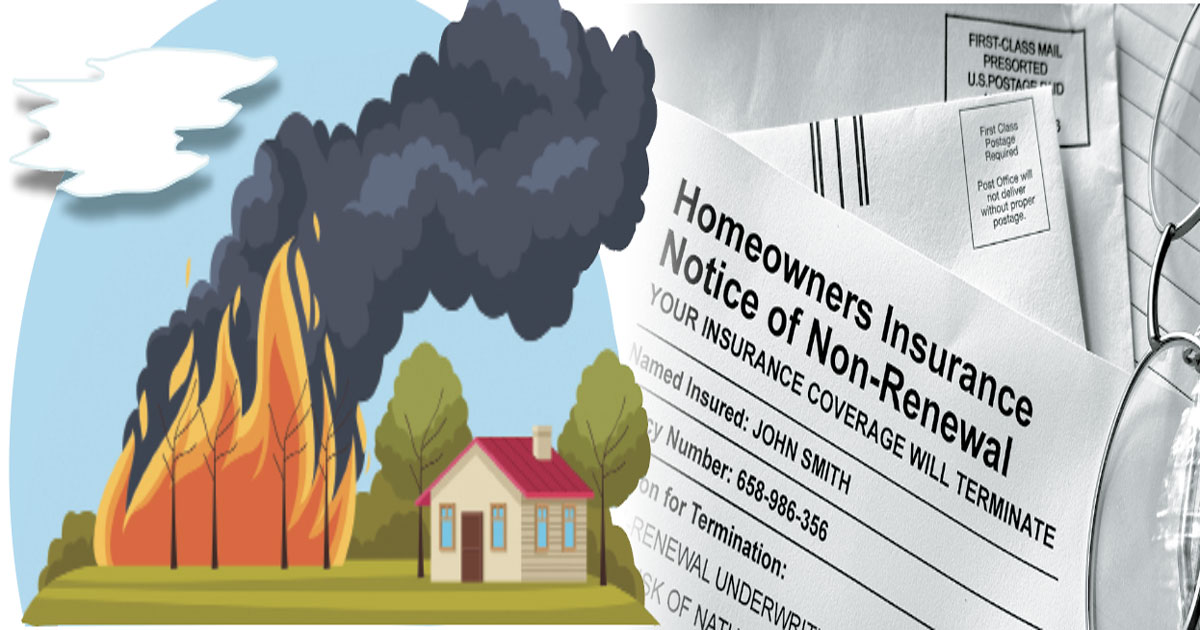
To begin, California coverage has become harder to place because carrier appetites changed fast, underwriting tightened, and replacement-cost math shifted after major loss years. For context, many buyers now discover insurance friction only after they open escrow, which is exactly when time is least forgiving. To be clear, you should verify current rules and consumer guidance directly with authority sources like the Insurance Information Institute and the California Department of Insurance.
In practice, home insurance 2026 is no longer a “final week of escrow” task—it's a first-week due diligence item that can affect your loan, your contingencies, and your closing timeline. Moreover, home insurance 2026 decisions now include evaluating whether a property will be written by a standard carrier or whether you’ll need a FAIR Plan + DIC structure. Ultimately, this guide is for buyers who want to close cleanly, sellers who want fewer fallouts, and homeowners who want to avoid renewal shocks and last-minute scrambling.
Home Insurance 2026: Why California's Insurance Market Is Under Stress
To put it simply, the biggest change is timing: insurance is now an underwriting decision, not a commodity. Moreover, carriers have reduced new-business capacity, paused writing in select ZIP codes, and issued more non-renewals, which makes “I’ll just shop later” a risky assumption. That said, the pressure isn’t just about wildfire; it’s also about replacement cost, reinsurance pricing, claim severity, and how quickly risk models re-rate geographic exposure. Consequently, buyers see fewer carrier options, higher deductibles, and stricter property requirements.
Specifically, market contraction often shows up as a smaller list of willing carriers and more “decline” outcomes after inspection. Importantly, lenders still require proof of coverage that meets loan guidelines, so coverage delays can become a financing delay. In reality, some transactions now need a dedicated insurance track alongside loan and appraisal timelines—especially when the property sits near a hillside, canyon, or wildland-urban interface. As a practical matter, you should treat insurance like you treat your rate lock: verify early, document the plan, and remove uncertainty.
For example, a buyer may receive one quote quickly but then learn the carrier won’t bind until specific mitigation is completed, or will bind only with a large wildfire deductible. Beyond that, a seller may assume “I’m insured today, so the buyer will be fine,” yet the buyer’s new-policy underwriting can be completely different from a renewal underwriting path. On the flip side, a homeowner who renews every year might discover their renewal offer is significantly higher, or that the carrier has changed eligibility rules and will not renew without updates. Without question, this uncertainty is why you should keep your transaction plan documented and your timeline aggressive.
Generally speaking, the practical “stats” buyers feel are these: fewer quotes returned, more conditional offers, and higher premiums where wildfire exposure is perceived as elevated. Notably, the FAIR Plan is being used more often as a backstop, and many households pair it with a wrap-around DIC policy to reach a more complete coverage stack. Because of this, you’ll want a clear escalation path: standard market first, then FAIR Plan, then DIC to fill gaps, and finally mitigation verification to improve eligibility over time. Similarly, staying current on local conditions matters—so it helps to keep an eye on current market conditions in Ventura County and how the San Fernando Valley market is behaving, because pricing and days-on-market can change your leverage if insurance becomes a negotiation point.
As evidence, buyers increasingly ask for credits, repairs, or risk-mitigation concessions when insurance pricing is higher than expected. Furthermore, underwriting can flag roof age, brush proximity, deck construction, and venting details, which means the property’s condition and maintenance history are suddenly part of an insurance conversation. Therefore, the best way to protect your closing is to build an insurance checklist into the same week you schedule inspections. Ultimately, if you start early, you can avoid the worst outcome: learning you need a new plan after your loan contingency clock is almost done.
What Is the California FAIR Plan? (Your Last-Resort Option)
To begin, the California FAIR Plan is a state-mandated insurance pool designed as a last-resort option when standard carriers decline to write a policy. In most cases, it functions as a basic fire policy that covers the structure (dwelling) and may include detached structures, yet it does not provide a typical “everything in one package” homeowner’s policy. Put another way, it is a foundation layer, not a full solution by itself. As a result, many buyers use FAIR Plan to secure the minimum required property fire coverage when standard markets are unavailable.
Specifically, FAIR Plan coverage is often described as “basic fire” because it focuses on the building and fire-related perils. Moreover, it generally does not include personal liability, does not cover personal property the same way an HO-3 would, and does not provide additional living expenses (loss of use) in the way many homeowners expect. To be clear, that gap is why many transactions pair FAIR Plan with a DIC policy. Consequently, your escrow strategy should assume you may need two policies rather than one.
For instance, eligibility commonly requires documentation of declinations—often two or more declinations from admitted carriers—before FAIR Plan becomes available. Additionally, pricing is frequently higher than standard market pricing; a common rule-of-thumb is that the premium can run 2–3x traditional coverage for similar dwelling limits, depending on location and property factors. Importantly, FAIR Plan dwelling coverage limits can be substantial (often up to $3 million), which can matter in higher price tiers. In short, FAIR Plan is a tool to keep deals alive when the standard market says “no,” but you still need to build a complete coverage stack.
As you might expect, FAIR Plan makes the most sense when you have a near-term closing timeline and you need a reliable route to bind property coverage. What's more, it can make sense when a buyer plans to complete mitigation (defensible space, roof upgrades, venting) after closing and then attempt to move back to the standard market at renewal. However, you should treat that plan as a goal, not a guarantee, because carrier appetites can change between now and renewal. On that note, when you are understanding closing costs and who pays what, include the insurance structure in your monthly budget math, because the premium and deductibles can materially change cash-to-close and reserves.
Fundamentally, the decision is not “FAIR Plan or not,” but “what is the fastest path to bind acceptable coverage that satisfies lender requirements and protects the household.” Therefore, buyers should request quotes early, sellers should collect basic property condition details to help underwriting, and homeowners should track renewal dates with a 90-day runway. In truth, the cost comparison you care about is net monthly cost relative to the closing timeline—FAIR Plan may be expensive, yet it can still be the practical choice when the alternative is a failed closing.
DIC Insurance (Difference in Conditions): Filling the FAIR Plan Gaps
To begin, DIC insurance is a “wrap-around” policy that is designed to complement the FAIR Plan and fill common coverage gaps. Specifically, it often adds personal liability (commonly $300,000 to $1,000,000+), personal property coverage, and additional living expenses, which are typically missing or limited under basic fire coverage. Moreover, many DIC policies add perils like theft and certain water-damage scenarios, depending on the carrier and endorsement choices. As a result, the combination of FAIR Plan + DIC can function more like a full homeowner’s policy from a lender and household-protection standpoint.
In practice, think of FAIR Plan as “structure and fire-related basics,” and DIC as “everything else you assumed homeowners insurance includes.” Additionally, the goal is not to over-insure, but to ensure the coverage stack matches the loan, the household risk tolerance, and the property reality. Importantly, you’ll want the same insured name across both policies, consistent property address details, and a coordinated effective date that aligns with closing. Consequently, it helps to work with an agent who regularly places the pair so the documents are clean for the lender.
For example, a buyer might bind a FAIR Plan policy for the dwelling at $1,200,000 with a wildfire deductible, then add a DIC policy that provides $500,000 liability, $150,000 personal property, and loss-of-use coverage. To summarize the math, the combined premium often ends up comparable to a standard policy in other states, or roughly 20–40% higher than a hypothetical standard California policy for a low-risk area—yet it can still be the difference between closing and not closing. That said, every quote is property-specific, so you should request multiple DIC options once you know the FAIR Plan premium. Ultimately, you want “complete and bindable,” not “perfect and late.”
Keep in mind, the best structure is the one that a lender accepts and that covers the risks buyers actually face: liability exposure, contents, and temporary housing after a covered loss. Furthermore, deductible planning matters—buyers should ask how wildfire deductibles apply, whether there are separate wind or water deductibles, and how those would impact a real claim scenario. Therefore, use escrow to ask sellers about roof age, recent property improvements, prior claims, and any mitigation work, because underwriting will ask anyway. Additionally, it’s smart to align coverage planning with your financing lane; for example, check your financing lane and loan limits early so you can anticipate lender documentation requirements.
As it turns out, many deal disruptions are not caused by “no insurance exists,” but by “insurance exists, yet the buyer started too late to document it before contingency deadlines.” Consequently, your action step is simple: request FAIR Plan and DIC quotes during inspection week, then choose a bindable option before your loan contingency date. In short, if you treat coverage like a checklist item instead of a last-minute task, you dramatically reduce the odds of a preventable escrow problem.
Home Insurance 2026: VHFHSZ Maps & Fire Risk Zones (Why This Matters)
To begin, VHFHSZ stands for Very High Fire Hazard Severity Zone, a designation used in California to indicate elevated wildfire exposure based on fire behavior modeling and local conditions. Importantly, properties in or near these zones can face higher premiums, reduced availability for new policies, and stricter underwriting requirements. In practice, some carriers may continue renewals for existing customers in an area while pausing new-business writing, which is why a buyer’s experience can differ from a seller’s current policy status. As a result, checking a property’s zone status should be part of your offer-stage due diligence, not an afterthought.
Specifically, you can verify whether a property falls into a mapped hazard zone by using the CAL FIRE fire hazard severity zone resources and map viewer. For instance, buyers can reference the official viewer here: CAL FIRE Fire Hazard Severity Zones (Maps). Moreover, you should save a screenshot or PDF of the zone result for your transaction file, because it helps frame the insurance conversation and explains why quotes may differ across nearby streets. Consequently, this becomes a practical risk-management step alongside inspections and loan paperwork.
Additionally, the VHFHSZ status often changes the questions underwriters ask. For example, they may want proof of defensible space (commonly 100 feet or more), confirmation of a Class A roof, and details about ember-resistant venting and exterior hardening. To be clear, mitigation doesn’t guarantee a standard policy, yet it can materially improve eligibility and pricing over time. Notably, the “cheap fix” is often documentation: photos of clearance, receipts for roof work, and contractor invoices can speed approvals.
In most cases, buyers should assume that VHFHSZ properties require earlier quotes and a more conservative timeline. Furthermore, if you’re comparing two homes, the insurance difference can be meaningful enough to change your monthly payment math. Therefore, keep your budget realistic and align it with your broader housing plan—especially if you’re also pulling a comp-based home value report to understand price positioning and long-term ownership costs. Ultimately, risk assessment is not fear-mongering; it’s smart underwriting preparation.
As a result, your checklist is straightforward: verify zone status, request quotes early, document mitigation, and plan a FAIR Plan + DIC fallback if standard markets decline. In short, VHFHSZ awareness is a key step in buyer due diligence because it tells you whether you need a faster, more structured insurance plan.
Home Insurance 2026 in Ventura County & Los Angeles County: City-by-City Risk
For context, Ventura and Los Angeles Counties include coastal zones, inland valleys, canyon corridors, and hillside neighborhoods with very different exposure profiles. Moreover, “risk” isn’t a single score—it’s a mix of access, vegetation, slope, wind patterns, historical fire behavior, and how close the property sits to wildland interfaces. Consequently, a coastal address might feel “low risk” socially, yet a home near an open-space boundary or foothill can be treated differently by underwriting. Put simply, you should evaluate risk on a micro-neighborhood basis, not only by city name.
| County | High-Risk Cities / Areas (Examples) | Typical Underwriting Friction |
|---|---|---|
| Ventura | Camarillo Hills; Moorpark hillside areas; Thousand Oaks (Conejo foothills); Ojai & surrounding; Ventura hillside/ocean interface; Santa Rosa Valley; Lake Sherwood area | Brush proximity; canyon wind; roof age scrutiny; higher wildfire deductibles; more frequent declinations for new policies |
| Los Angeles | Malibu & PCH corridor; Topanga Canyon; Calabasas hills; Hidden Hills; West Hills hillside; Porter Ranch; Altadena foothills; La Cañada Flintridge | New-business pauses; strict clearance requirements; premium volatility; expanded documentation requests |
Additionally, coastal vs inland differences are real. For example, coastal properties may face different concerns (wind, salt air, and rebuild logistics), while inland hillside homes often trigger vegetation and access concerns that affect quote outcomes. That said, “inland valley” does not automatically mean “easy underwriting,” because pockets near open space can still behave like a wildland-urban interface. Therefore, buyers should compare not only home price and neighborhood fit, but also likely insurance pathway—standard market first, then FAIR Plan + DIC if needed.
Similarly, sellers can protect their sale by anticipating buyer questions and packaging property info in a clean way. Beyond that, location-based risk is increasingly part of negotiation: credits, repairs, or mitigation tasks can become bargaining points if insurance costs surprise buyers. Consequently, staying current on market leverage matters; it helps to cross-reference your insurance reality with local pricing trends in Ventura County market updates and San Fernando Valley market updates, because days-on-market and buyer demand influence how hard you can negotiate.
Ultimately, regional variations are the “why” behind this guide: the same buyer profile can receive wildly different quote outcomes depending on street-level exposure. In short, treat insurance as location-specific underwriting, not a generic line item.
If You're Buying: Home Insurance 2026 Strategy (Get Quotes BEFORE You Close)
Ultimately, the buyer strategy is simple: move insurance to the front of the checklist and keep a backup plan ready. In short, early quotes preserve your leverage and reduce the chance of a preventable cancellation.
If You're Selling: Disclosure Requirements & Strategy
- To begin, gather roof age/material info, receipts, and any mitigation documentation (defensible space, vents, clearing).
- Moreover, disclose known risk factors and property features clearly so buyers don’t discover surprises through underwriting.
- Consequently, consider a pre-list insurance conversation to understand how a buyer might be underwritten in your neighborhood.
- For example, ask buyers (or their agent) whether they have already requested quotes on your address.
- Additionally, encourage buyers to request a FAIR Plan + DIC backup quote if the property is near open space or foothills.
- Ultimately, you want an insurance plan in motion before appraisal and final loan review.
As a practical matter, smoother escrows come from transparency and documentation. Therefore, if you’re also planning your broader sale strategy—pricing, timing, and leverage—keep your local context current using Ventura County market update data and pair it with a realistic net sheet that includes insurance impacts where relevant.
Additionally, a seller who reduces underwriting uncertainty reduces negotiation pressure later. In short, organized disclosures protect both the sale timeline and the final terms.
If You Own Now: Renewal Strategy (Don't Wait)
Specifically, mitigation steps that can support eligibility and sometimes improve pricing include: maintaining 100 feet (or more) of defensible space, upgrading to a Class A roof, installing ember-resistant vents, addressing exposed eaves, and keeping fuel sources away from structures. Beyond that, some households benefit from replacing older fencing near the home, trimming tree canopies away from roofs, and keeping decks and gutters clear of debris. Consequently, the theme is consistency: insurers respond better when maintenance and mitigation are documented and repeatable.
Additionally, homeowners making broader financial decisions often coordinate insurance with other cost drivers. For example, if you’re refining your ownership plan, it can help to maintain an updated snapshot using a home value report, and if you anticipate a move, keep an eye on San Fernando Valley pricing shifts or Ventura County pricing shifts so your insurance planning aligns with your timeline.
Ultimately, renewal success comes from starting early, documenting mitigation, and keeping a backup pathway ready. In short, proactive renewal planning reduces premium shock and prevents coverage gaps.
FAQ: FAIR Plan, DIC, VHFHSZ & California Coverage
Do I need two policies if I use the FAIR Plan?
What does the FAIR Plan usually cover?
What does DIC insurance add?
Do I need declinations before I can get the FAIR Plan?
How much more expensive is FAIR Plan + DIC?
How do I check if a home is in a VHFHSZ area?
What should I do during escrow if quotes are slow or getting declined?
For context, consumer education and regulatory explanations can evolve, so it’s smart to cross-check guidance with industry authorities like the National Association of Insurance Commissioners.
- All Posts
- Buyer Guides
- California Home Insurance & Wildfire Risk
- Home Financing (Mortgage & Loan Guides)
- Market Updates & Forecasts
- Seller Guides
- Back
- Ventura County Real Estate Market Updates
- San Fernando Valley Real Estate Market Updates (Monthly): Prices, Inventory & Trends
Ventura County Home Seller Guide | Fall / Winter 2026 Should You Sell Now or Wait Until Spring? Ventura County...
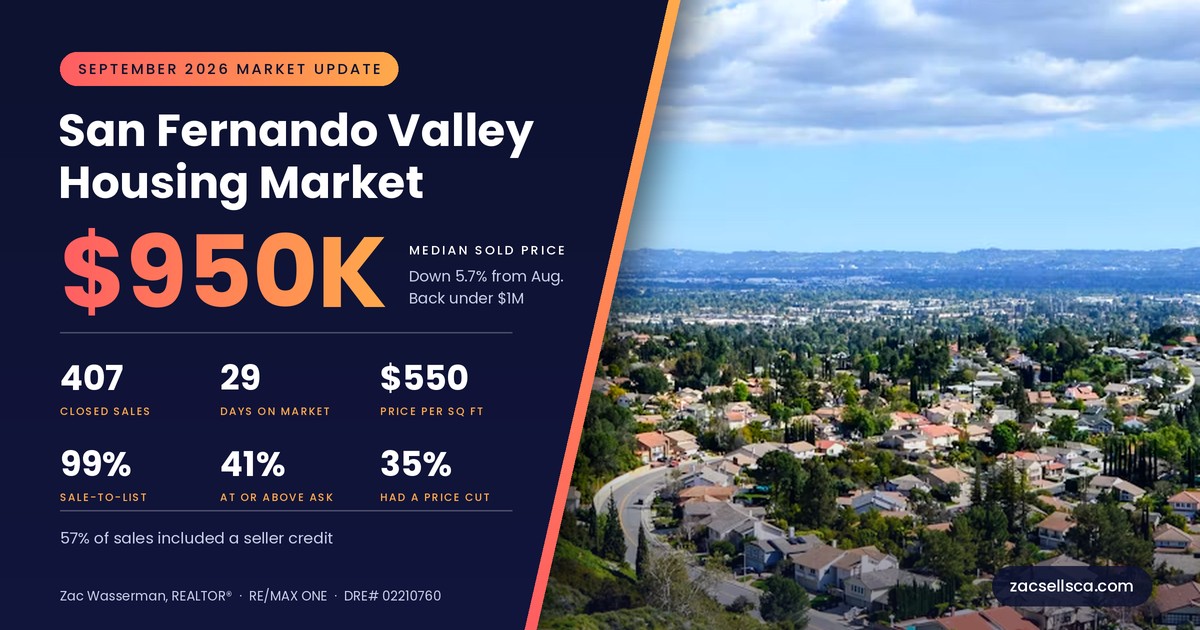
SEPTEMBER 2026 · MARKET UPDATE San Fernando Valley Housing Market Update: September 2026 Prices, Trends & City-by-City Data The median...
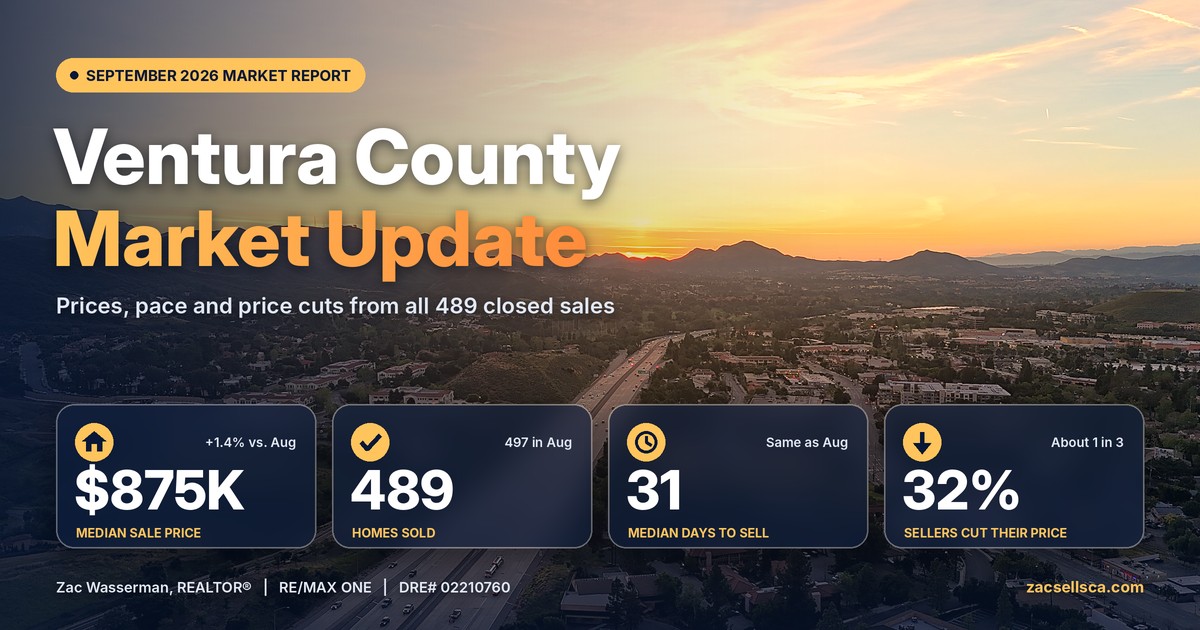
Ventura County’s September 2026 housing market: $875K median price, 489 closed sales, 31 days on market, and city-by-city data for...

State Farm filed to start writing new California home policies again, but only for homes with an IBHS Wildfire Prepared...

Encino real estate in 2026: see median home and condo prices, 494 closed sales, 91436 vs. 91316 trends, neighborhood insights,...

Sherman Oaks real estate in 2026 shows a $1.688M median for single-family homes and $655K for condos and townhomes. See...