
Buyer Guides • Updated March 16, 2026
Rent vs Buy in Ventura County: 2026 Cost Comparison + Break-Even Guide
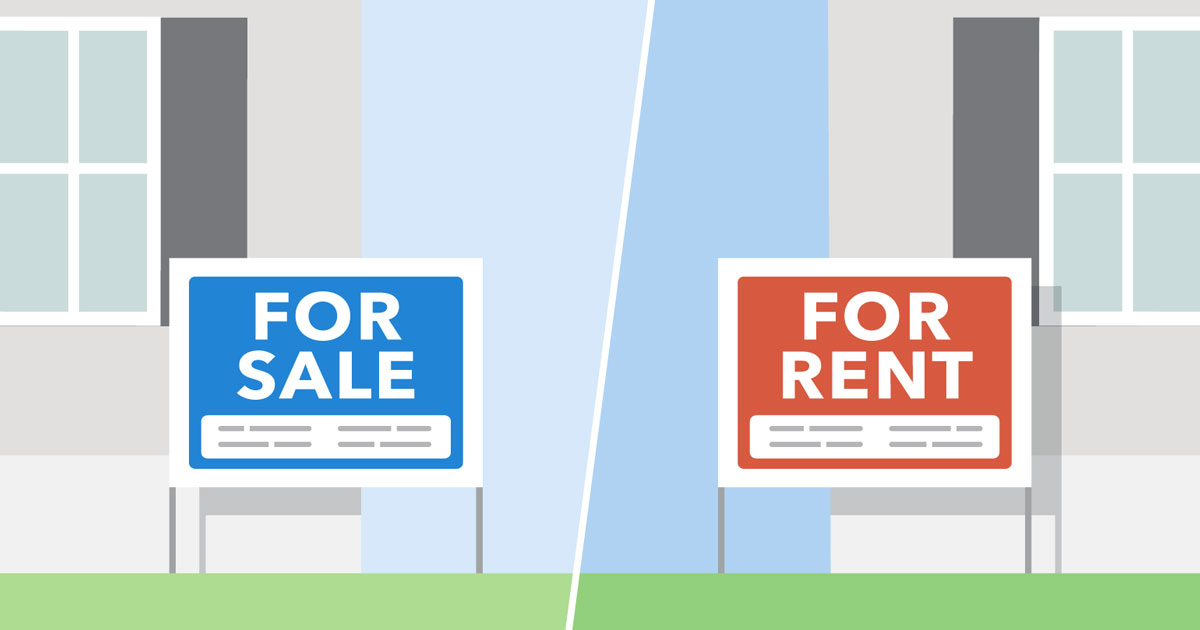
Compare the real monthly numbers, the likely 4–6 year break-even window, and when buying starts to make more financial sense than renting in Ventura County.
Rent vs buy Ventura County is one of the biggest financial decisions local buyers will make in 2026. Because rent is still expensive, mortgage rates still matter, and homeownership comes with real upfront costs, the wrong move can feel heavy for years. Therefore, the smartest way to approach this decision is not emotionally, but mathematically. You need to compare what you spend each month, what you keep, and how long you realistically plan to stay.
Meanwhile, the answer is rarely as simple as “rent is cheaper” or “buying is always better.” Instead, Ventura County rent vs buy 2026 depends on your timeline, cash reserves, tolerance for maintenance, and whether you want flexibility or long-term equity. As a result, this guide breaks down is it cheaper to rent or buy in Ventura County, shows the likely break-even point buying a home Ventura County buyers should understand, and explains when does buying a home make sense Ventura County households financially. If you have been watching the broader Ventura County real estate market, this is the next question to answer before renewing a lease or starting a home search.
What Does It Cost to Rent in Ventura County Right Now?
First, let’s start with the rental side of the equation. In 2026, a realistic median rent for a solid three-bedroom home or larger townhome in Ventura County is about $2,800 per month. However, that figure moves depending on city, neighborhood, condition, lot size, parking, and whether the property has been recently updated. In desirable areas, the real number can climb quickly.
In addition, renters usually pay more than the advertised lease amount. For example, renter’s insurance, utilities, pet rent, cleaning requirements, and move-in costs all raise the true monthly outflow. Even so, renting is still simpler in the short run because you usually avoid property taxes, major maintenance, and the need for a large down payment. Therefore, if flexibility matters most, renting can still make sense.
However, simplicity has a tradeoff. Every rent payment is a pure housing expense, and yearly increases can quietly change the math. Meanwhile, renters do not build equity, cannot lock in the same long-term control over housing, and may have to move when an owner changes plans. As a result, the right comparison is not just this month’s rent versus this month’s mortgage. It is what each path looks like over several years.
What Does It Cost to Buy in Ventura County in 2026?
Next, let’s look at a realistic ownership example. Assume a median home price of about $775,000, a 20% down payment, and a 6.75% 30-year fixed interest rate. That means a buyer puts down $155,000 and finances around $620,000. Because many buyers look only at principal and interest, the true monthly cost of buying often feels higher than expected once all the other pieces are added in.
For example, principal and interest on that loan amount lands near $4,020 per month. Then, you need to add estimated property taxes of roughly $806 per month, homeowners insurance near $150 per month, and a maintenance reserve of about $300 per month. As a result, the realistic monthly ownership cost lands near $5,276 before any HOA dues. Therefore, the cost of renting vs buying Southern California housing can feel dramatic at first glance.
Still, that higher monthly number does not mean buying loses automatically. Because part of each payment goes toward principal, ownership gradually builds equity from the start. In addition, appreciation can increase your net worth over time if values rise while you own the property. Therefore, rent vs buy Ventura County should be judged as both a monthly cash-flow decision and a long-term wealth decision. If you want to stress-test your range before you shop, start with how much home can you afford.
Meanwhile, local value changes by city and budget. Buyers comparing options can explore homes for sale in Thousand Oaks, homes for sale in Oxnard, homes for sale in Camarillo, homes for sale in Simi Valley, homes for sale in Ventura, and homes for sale in Moorpark to see how far the same budget may stretch across Ventura County.
Rent vs Buy in Ventura County: Side-by-Side Monthly Cost Comparison
Now let’s put the numbers next to each other. On the surface, renting usually wins on monthly out-of-pocket cost. However, buying includes principal reduction and the possibility of appreciation, which means part of the payment is building ownership instead of disappearing forever. Therefore, the better question is not just “What is cheaper today?” but “What am I left with after several years?”
| Monthly Cost Category | Renting (Median 3BR) | Buying ($775,000 Home) |
|---|---|---|
| Base monthly housing payment | $2,800 | $4,020 principal + interest |
| Property taxes | $0 direct | $806 |
| Insurance | $20 renter’s insurance | $150 homeowners insurance |
| Maintenance reserve | $0 direct | $300 |
| Estimated total monthly outflow | $2,820 | $5,276 |
| Estimated principal paid to equity | $0 | ~$550/month in early years |
At first glance, renting appears cheaper by roughly $2,400 per month. However, that gap is not a perfect apples-to-apples comparison, because owners are slowly converting part of their payment into equity. In contrast, renters keep more flexibility and cash in the short run. As a result, rent vs buy Ventura County becomes much more nuanced once you extend the timeline beyond the next year.
The Break-Even Point: When Does Buying Beat Renting?
The break-even point is when buying starts to outperform renting financially after you factor in closing costs, higher carrying costs, appreciation, and equity growth. In Ventura County, that break-even point buying a home Ventura County buyers often see lands around four to six years. Therefore, if you expect to move again in two or three years, renting may still be the cleaner financial play. If you expect to stay longer, buying deserves a much closer look.
For example, a buyer at this price point may spend about 2% to 3% of the purchase price on closing costs up front. Meanwhile, from month one, part of the mortgage payment reduces principal. If the property also appreciates at a reasonable long-term pace, the combined effect of equity growth and value appreciation can gradually offset the upfront and monthly premium of owning. Therefore, over a multi-year hold, buying often starts to look more favorable than it did on day one.
However, no break-even timeline is guaranteed. Because appreciation can slow, repairs can spike, and life plans can change, the exact answer depends on the property, the buyer, and the holding period. As a result, anyone asking when does buying a home make sense Ventura County buyers should know the answer is highly personal. Still, the four-to-six-year range is a realistic planning lens for many local households.
Hidden Costs of Renting vs. Buying You Shouldn't Ignore
First-time buyers often underestimate the hidden costs of ownership, while long-term renters often underestimate the hidden costs of staying put. On the rental side, those costs include annual increases, pet rent, move-in fees, application charges, storage costs, moving trucks, and the disruption of relocating when a lease ends. Therefore, rent is not as “clean” as it can seem when you only look at the base monthly number.
On the ownership side, the hidden costs include repairs, landscaping, utility increases, appliance replacement, possible HOA dues, and surprise maintenance. In addition, many buyers underestimate escrow reserves, inspections, and the full cost of homeownership in Ventura County. As a result, the strongest buyers plan for the total cost of ownership, not just the lender’s quoted principal and interest payment.
Meanwhile, education matters because mistakes at this stage can get expensive quickly. If this would be your first purchase, start with a practical first-time homebuyer guide and review local down payment assistance programs. In addition, it helps to compare local planning with the CFPB guide to buying a home, the National Association of Realtors rent vs buy research, the California Association of Realtors housing affordability data, and the U.S. Census Bureau homeownership data.
How Much Home Can You Actually Afford in Ventura County?
Affordability is where this decision becomes real. Because two buyers can qualify for the same price point and feel completely different about the payment, qualification is not the same as comfort. Therefore, the better question is not “How much home can a lender approve?” but “How much home can I carry while still living well?”
In many cases, the answer depends more on cash reserves, down payment size, total debt, taxes, and lifestyle than on purchase price alone. For example, one buyer may decide that stretching for ownership now is worth it for stability and equity. Meanwhile, another may choose to rent another year, build reserves, and enter the market with less pressure. As a result, comparing multiple scenarios is usually smarter than forcing a yes-or-no answer too early.
In addition, this is where city choice can dramatically affect the path forward. Some buyers want maximum lifestyle near the coast, while others want more square footage or a different commute pattern inland. Therefore, pairing budget math with local inventory matters. If you need a starting point, use how much home can you afford and then compare it with the latest Ventura County housing market update before deciding whether your next move should be a lease renewal or a purchase plan.
Rent vs Buy in Ventura County: Which Makes Sense for You?
If you need flexibility, expect a relocation, are still rebuilding savings, or are not yet sure where you want to live long term, renting may still be the stronger short-term answer. However, if you plan to stay in Ventura County for at least four to six years, have stable income, and can comfortably handle the true cost of ownership, buying may become the stronger long-term move. Therefore, rent vs buy Ventura County is not about proving one path is always right. It is about matching the decision to your timeline, goals, and risk tolerance.
Ultimately, the worst move is making this decision without a local numbers-based plan. Because Ventura County housing is expensive, small miscalculations can become painful quickly. Meanwhile, the right comparison can create clarity fast. As a result, the next best step is not blind browsing or another automatic lease renewal. It is a clear conversation about your current rent, realistic buying range, and likely break-even window.
Frequently Asked Questions About Renting vs. Buying in Ventura County
Is it cheaper to rent or buy in Ventura County right now?
In most cases, renting is cheaper on a monthly cash-flow basis right now. However, buying may become the stronger financial move over time if you stay long enough to offset closing costs, pay down principal, and benefit from appreciation. Therefore, the answer depends on your rent, your available cash, and how long you realistically expect to stay in the property.
What is the typical break-even point buying a home Ventura County buyers should expect?
The break-even point buying a home Ventura County buyers commonly see is around four to six years. Because ownership starts with upfront costs and a higher monthly burden, it usually takes several years of equity growth and appreciation for buying to outperform renting financially.
How does Ventura County rent vs buy 2026 compare with the rest of Southern California?
Ventura County reflects the broader Southern California affordability challenge, with high purchase prices and expensive rents. However, some Ventura County cities may still offer a better mix of space, lifestyle, and long-term ownership value than nearby higher-cost markets. As a result, local city-by-city comparison matters more than broad regional headlines.
When does buying a home make sense Ventura County households financially?
Buying often makes sense when you have stable income, enough cash for down payment and closing costs, reserves left after closing, and a realistic plan to stay in the home for several years. In addition, it makes more sense when you value long-term payment stability and the chance to build equity instead of continuing to absorb future rent increases.
Ventura County Buyer Strategy
Ready to See Whether Buying Actually Makes Sense for You?
I’ll help you compare your current rent, your likely monthly ownership cost, and your real break-even timeline so you can make a smart move with confidence.
Zac Wasserman | RE/MAX ONE
Local guidance for Ventura County buyers making high-stakes decisions.
Straight answers, local insight, and a numbers-first plan.
- All Posts
- Buyer Guides
- California Home Insurance & Wildfire Risk
- Home Financing (Mortgage & Loan Guides)
- Market Updates & Forecasts
- Seller Guides
- Back
- Ventura County Real Estate Market Updates
- San Fernando Valley Real Estate Market Updates (Monthly): Prices, Inventory & Trends

Median Home Price in Moorpark, CA (2026) Moorpark Housing Market 2026 Median Home Price in Moorpark, CA (2026): What Real...
Can ChatGPT sell your house in 2026? Here's what AI does well, where it falls short, and what it can...

Oxnard’s median home price is $785,000 in 2026, but prices vary sharply by zip code, property type, and neighborhood. See...

Oxnard’s median home price is $785,000 in 2026, but prices vary significantly by zip code and property type. Explore real...

See June 2026 Westlake Village home prices, days on market, and sales trends, plus what current conditions mean for local...
Selling a distressed property in Ventura County can feel overwhelming, but homeowners often have more options than they realize. This...