
Published March 9, 2026
Ventura County Housing Market 2026: Median Prices, Mortgage Rates & What's Next
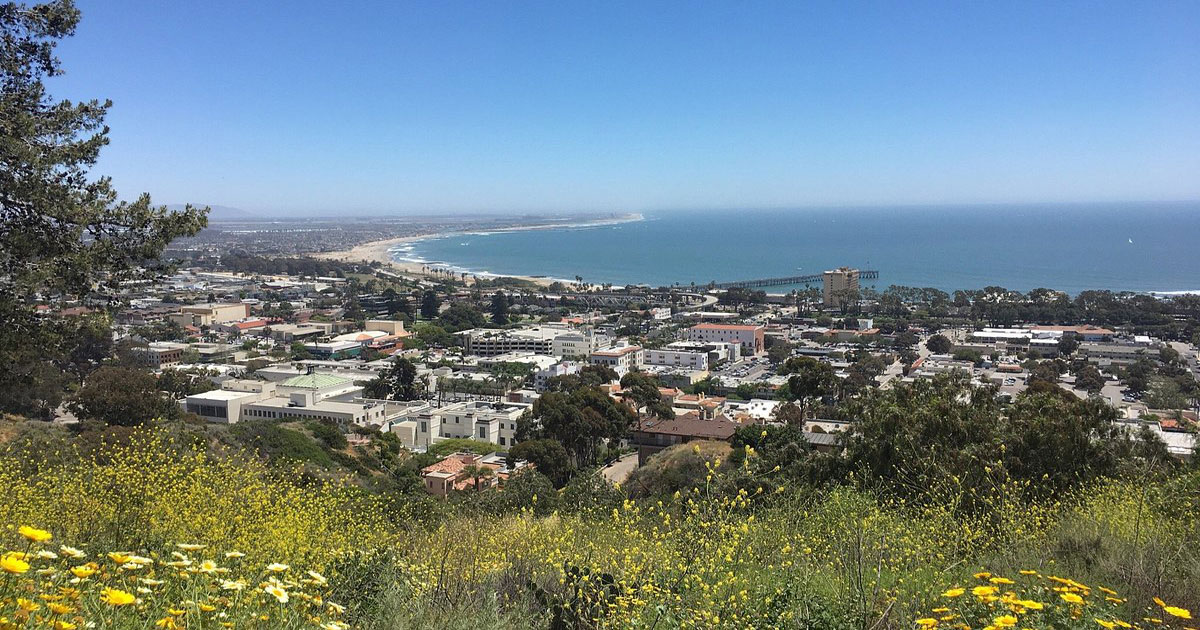
Quick Answer: What will happen to Ventura County home prices in 2026?
The most likely outcome for the Ventura County housing market 2026 is not a crash. Instead, the data points to a slower, more selective market with modest price movement, longer marketing times, and bigger differences from city to city. Countywide, median pricing has stayed resilient while affordability remains tight. Therefore, sellers should expect more price sensitivity, and buyers should expect more opportunity than they had during the frenzy years. If mortgage rates keep drifting toward the low-6% or high-5% range, demand can strengthen quickly. However, if rates stay stuck near current levels, price growth will likely remain restrained and negotiation windows will stay open longer.
If you are trying to understand the Ventura County housing market 2026, the first thing to know is this: the market is still active, but it is no longer forgiving. Buyers are doing more math. Sellers are being judged more harshly on condition, pricing, and presentation. Meanwhile, interest rates are still carrying a bigger role in demand than they did before 2022.
That is exactly why this year matters. The Ventura County housing market 2026 is shaping up as a market where strategy beats momentum. In other words, neither buyers nor sellers can rely on broad headlines alone. You need local numbers, city-level context, and a realistic view of financing costs. Additionally, you need to understand which parts of the county are holding value best and which price points are seeing slower absorption.
In this guide, I will break down median home prices, mortgage-rate expectations, inventory trends, and what the likely next phase looks like for buyers and sellers across Ventura County. I will also connect the local picture to broader indicators like existing home sales data, the California housing affordability index, the CFPB's guidance on understanding mortgage rates, and Ventura County population and housing data. For additional local context, you can also read my latest Ventura County real estate market update.
1. Where the Ventura County Housing Market Stands Heading Into 2026
The headline for the Ventura County housing market 2026 is balance returning slowly, not all at once. Countywide median pricing has remained relatively firm, but homes are taking longer to sell and buyers are more rate-sensitive than they were even a year ago. As a result, the county is no longer behaving like one single market. Higher-end coastal and luxury areas are moving differently than entry-level neighborhoods in Oxnard or Simi Valley. Furthermore, turnkey homes are still outperforming properties that need work.
That matters because a lot of people still ask the wrong question: “Is it a buyer’s market or a seller’s market?” In reality, the better question is: “Which segment of the county are we talking about?” A well-prepared home in a tight price band can still draw strong traffic. In contrast, an overpriced listing can sit, get stale, and invite reductions. Therefore, the real story is market fragmentation.
County Snapshot
Ventura County median sale price: about $857,000
Year-over-year change: roughly +1.4%
Average days on market: about 67 days
Closed sales in the latest monthly snapshot: 336
Importantly, those numbers point to resilience, but not to runaway appreciation. A countywide median near the mid-$800,000s tells you prices are still elevated. However, a longer average marketing period tells you buyers are pushing back harder. That is where affordability enters the picture. California affordability remains structurally tight, and that is why rate relief matters so much. If you want the bigger statewide context, my guide on home affordability in Southern California goes deeper on how payments, not just prices, are shaping demand.
The local market also sits on strong long-term fundamentals. Ventura County continues to benefit from limited land, strong owner-occupancy, desirable climate, and commuter demand tied to both local employment and access to Los Angeles. Meanwhile, Census housing data still shows a relatively constrained housing base compared with demand. Consequently, even when the market slows, that does not automatically translate into deep price declines.
So where does that leave the Ventura County housing market 2026? It leaves it in a transition phase. It is healthier than a frozen market, but it is more disciplined than a seller-dominated one. Buyers have more leverage than they had in the pandemic-era run-up. Sellers can still win, but only if they respect the market in front of them.
2. Ventura County Median Home Prices: City-by-City Breakdown
One of the biggest mistakes people make when analyzing the Ventura County housing market 2026 is treating the entire county as if every city behaves the same way. It does not. Price points, buyer pools, inventory mix, and commute patterns all change by location. Therefore, city-by-city median pricing gives a much clearer picture.
City-by-City Median Price Snapshot
| City | Median Sale Price | YoY Trend |
|---|---|---|
| Camarillo | $825,000 | +3.1% |
| Thousand Oaks | $1,005,000 | -12.2% |
| Oxnard | $800,000 | +5.1% |
| Ventura | $905,000 | +4.0% |
| Simi Valley | $825,000 | +4.4% |
| Moorpark | $935,000 | -3.0% |
| Westlake Village | $2,140,000 | +6.9% |
Camarillo continues to sit in a strategic middle ground. It tends to appeal to buyers who want a Ventura County location with relative value compared with some higher-priced neighboring submarkets. Therefore, Camarillo real estate often attracts move-up buyers, downsizers, and families looking for stability rather than speculation.
Thousand Oaks is still one of the county’s most important pricing anchors, but the recent year-over-year softness shows how higher price points react first when financing gets expensive. That does not mean weakness across the board. Instead, it means buyers in that range have more options and more negotiating power. If you are tracking that area specifically, check my local page on Thousand Oaks homes for sale.
Oxnard remains one of the more important affordability pressure valves in the county. Prices have still held up, which tells you demand has not disappeared. However, buyers in Oxnard are often highly payment-sensitive. Consequently, shifts in mortgage rates can move this market quickly in either direction. For more local context, see my page on the Oxnard housing market.
Ventura continues to benefit from lifestyle appeal, coastal demand, and limited supply in many neighborhoods. Therefore, even when the broader market cools, Ventura often maintains stronger pricing than people expect. If that is your target area, my Ventura real estate page is the best next step.
Simi Valley remains a key market for buyers who want more house for the money relative to some west county and coastal locations. Additionally, it benefits from an established owner-occupant base and a large pool of practical, payment-driven buyers. My Simi Valley real estate page breaks down that market in more detail.
Moorpark tends to be tighter and less liquid simply because transaction volume is lower. As a result, year-over-year swings can look dramatic even when the market is just normalizing. Westlake Village, meanwhile, operates almost like its own premium market. Luxury pricing there can remain surprisingly durable because the buyer pool is smaller, but often more financially insulated.
The takeaway is simple: the Ventura County housing market 2026 is not one median price story. It is a collection of submarkets moving at different speeds. Therefore, buyers and sellers should stop relying on county headlines alone and start evaluating their exact city, neighborhood, and price range.
3. Ventura County Mortgage Rate Forecast 2026: What Buyers Should Expect
If there is one force that will shape the Ventura County housing market 2026 more than anything else, it is mortgage rates. Prices matter, of course. However, the monthly payment is still the main affordability gatekeeper. In fact, a small move in rates can change purchasing power faster than a small move in price.
As of early March 2026, the average 30-year fixed mortgage rate has been hovering around 6.0%. That is meaningfully better than the worst levels of the last few years, but it is still nowhere near the ultra-low rate environment buyers got used to in 2020 and 2021. Therefore, it is important to set expectations correctly: this is not a cheap-money market.
Rate Outlook Scenarios for 2026
Scenario 1: Rates stay elevated
If 30-year rates stay around the low-to-mid 6% range, demand should remain active but selective. Buyers will shop carefully, and affordability pressure will keep a lid on aggressive price jumps.
Scenario 2: Rates drift lower
If rates move into the high-5% range later in the year, affordability improves fast. As a result, more sidelined buyers can re-enter, and competition may intensify, especially in well-priced entry and mid-range homes.
That is why buyers should focus on payment strategy, not just on “waiting for rates to crash.” Most major forecasts are not pointing to a dramatic collapse in borrowing costs. Instead, they are pointing to gradual improvement. Therefore, the more realistic 2026 question is whether rate relief is enough to unlock more transactions, not whether rates go back to 3%.
For California buyers, that means three practical things. First, get clear on your financing range before you start touring. Second, understand loan structure, down-payment options, and lender credits. Third, compare the payment impact of rate buydowns versus purchase-price negotiation. Additionally, buyers should understand where they fit relative to current California conforming loan limits, because crossing into jumbo territory can change pricing and qualification.
If you are buying for the first time, the next move is not guessing. It is building a clean budget and understanding the process from financing through closing. My step-by-step guide on how to buy a home in California will help you map that out. Meanwhile, every buyer should also budget accurately for closing costs in California, because cash-to-close surprises still derail deals.
Ultimately, rates will either unlock more activity or keep this market selective. Either way, the Ventura County housing market 2026 will stay highly payment-driven. That is why serious buyers should be ready before the next rate window creates more competition.
4. Will Home Prices Drop in Ventura County in 2026?
This is the question almost everyone asks, and the answer is more nuanced than most headlines make it sound. Could some homes drop in price in 2026? Absolutely. Will the entire Ventura County housing market 2026 broadly collapse? The current evidence does not support that.
Price declines usually require a more serious supply-demand break than what we are seeing now. Ventura County still has structural support: limited inventory in many neighborhoods, a desirable coastal-adjacent location, and a homeowner base that is not under broad distress. Therefore, even when transaction volume softens, sellers are not all being forced to discount heavily.
However, some segments are vulnerable. Higher-end homes that depend on discretionary move-up buyers can feel slower first. Homes with functional issues, deferred maintenance, or poor presentation can also take bigger hits. In contrast, clean homes priced correctly and located in proven neighborhoods are still attracting attention.
What is the most likely price path?
The most likely path for the Ventura County housing market 2026 is modest appreciation in some submarkets, flat pricing in others, and selective price cuts where sellers overshoot the market. That is a very different outcome from a broad crash. Therefore, both buyers and sellers need to stop thinking in absolutes and start thinking in segments.
Another reason broad price drops are harder here is replacement cost and long-term desirability. Ventura County is still one of the more attractive ownership markets in Southern California for people who want access to the coast, room to live, and relative stability. Additionally, many owners have locked-in low mortgage rates and strong equity positions. Consequently, they do not have to sell unless the terms make sense.
That said, pricing discipline matters more than it did a few years ago. In the Ventura County housing market 2026, stale inventory is real. Buyers are tracking price reductions, days on market, and how long a home has been sitting. Therefore, sellers who “test the market” too aggressively are often helping buyers more than themselves.
So yes, some homes will sell below aspirational expectations. But a countywide crash is still the wrong base case. The better base case is selective re-pricing inside a market that remains expensive, active, and highly rate-dependent. For a wider regional view, read my 2026 Southern California housing forecast.
5. Ventura County Housing Market 2026: Inventory, Days on Market & What the Data Shows
If you want to understand leverage in the Ventura County housing market 2026, watch inventory and days on market more closely than headline pricing. Prices tell you where deals have closed. Inventory and market time tell you what sellers are dealing with right now.
Countywide, homes are taking around 67 days to sell on average in the latest snapshot. That is longer than a year ago. Additionally, several individual cities are seeing notably extended market times, including Thousand Oaks, Simi Valley, and Westlake Village. That does not mean nothing is selling. It means buyers are taking longer, underwriting their decisions more carefully, and negotiating harder.
Days on Market Snapshot
Camarillo: 62 days
Thousand Oaks: 84 days
Oxnard: 52 days
Ventura: 58 days
Simi Valley: 85 days
Moorpark: 56 days
Westlake Village: 82 days
Importantly, longer marketing times are not always a negative. In fact, for buyers, they create room to negotiate on repairs, credits, buydowns, and timing. For sellers, they are a warning sign that timing expectations should change. The days of assuming a good house will automatically sell in a weekend are gone in many parts of the county.
Inventory also matters because it changes the buyer experience. When supply is extremely low, buyers compete on speed and emotion. When supply expands even modestly, buyers compare more aggressively. Therefore, the Ventura County housing market 2026 is likely to feel more rational than the market of a few years ago, even if prices remain elevated.
That shift is especially important for homeowners thinking of selling. More active listings do not automatically mean weak demand. However, they do mean your home must win the comparison. Price, photos, prep, and positioning matter more when the buyer has options. Consequently, sellers should think like marketers, not just owners.
Buyers should also remember that inventory is not evenly distributed. Some neighborhoods still feel tight, particularly where there is strong school demand, limited turnover, or a shortage of renovated product. Meanwhile, other submarkets can feel much looser. That is another reason broad county headlines never tell the full story.
6. What Ventura County Buyers Need to Know in 2026
For buyers, the Ventura County housing market 2026 offers something that has been missing for a while: more room to think. That does not mean the market is easy. It means the pace is more manageable, and that creates opportunity if you are prepared.
First, understand that affordability is still the core issue. A house that seems “only slightly” more expensive can be much less affordable once you factor in mortgage rates, taxes, insurance, and reserves. Furthermore, insurance costs are becoming a more serious line item in California, especially in areas with wildfire exposure. Before writing offers, buyers should understand the local cost side, including home insurance in Ventura County.
Second, do not mistake more leverage for unlimited leverage. In many situations, buyers can negotiate credits, repairs, or seller-paid buydowns. However, truly well-priced homes can still move quickly. Therefore, serious buyers should be fully underwritten, not casually prequalified. That distinction matters when the right house appears.
Third, shop by total payment and long-term fit, not just by headline rate. If rates fall later, refinancing can become a tool. If you buy the wrong house because you chased a slightly better monthly number, that mistake is harder to fix. Consequently, buyers should focus on location quality, resale strength, and realistic holding period.
Fourth, know your submarket. Someone targeting Ventura will not face the same tradeoffs as someone looking in Simi Valley or Westlake Village. Commute, lot size, school patterns, rental alternatives, and lifestyle all shape value differently. Therefore, the smartest buyers in the Ventura County housing market 2026 are not just comparing listings. They are comparing local demand drivers.
Finally, move with a plan. Build your lender team, understand your closing costs, know your insurance estimates, and define your non-negotiables before you start touring seriously. That approach gives you flexibility without indecision. In this market, preparation creates leverage.
7. What Ventura County Sellers Need to Know in 2026
Sellers need to understand that the Ventura County housing market 2026 is still capable of producing strong outcomes, but it is much less tolerant of mistakes. In other words, the market is not punishing good listings. It is punishing lazy ones.
The first rule is pricing correctly from day one. Overpricing is more dangerous now because buyers have better visibility and more patience. If your home sits, the market starts asking what is wrong with it. As a result, the first price cut usually does less than sellers hope because the listing has already lost momentum.
The second rule is presentation. Clean prep, strong photography, thoughtful staging, and a sharp launch strategy are no longer optional in many price bands. Buyers compare online first. Therefore, you need the listing to look worth the payment. That is especially true when rates are still high enough to make every monthly dollar feel heavier.
The third rule is realism on concessions. You may not need to give them. However, you should be ready to use them strategically. Rate buydowns, repair credits, or flexible timing can help bridge the gap without slashing your headline price. Consequently, seller strategy in 2026 is often about structuring the deal, not just defending the list number.
The fourth rule is understanding your micro-market. A home in Camarillo, a condo in Oxnard, and a luxury property in Westlake Village do not compete the same way. That is why the Ventura County housing market 2026 requires city-level and price-band analysis before going live. If you are selling, start with a sharp opinion of value, not a guess. My what is my home worth page is the right place to start that process.
Finally, remember that buyers are more informed now. They can see competing inventory, reductions, and time on market. Therefore, credibility matters. When a home is priced right, presented well, and launched with intent, sellers can still outperform. When it is not, the market usually exposes that quickly.
8. Frequently Asked Questions: Ventura County Housing Market 2026
Is Ventura County a buyer’s market in 2026?
Not across the board. The Ventura County housing market 2026 is better described as selective and segmented. Buyers generally have more leverage than they did during the peak frenzy years because homes are taking longer to sell and affordability is tighter. However, well-priced homes in desirable neighborhoods can still move quickly. Therefore, the answer depends on city, property type, condition, and price range.
Will Ventura County home prices go down in 2026?
Some homes and some price bands may see reductions, especially if sellers overshoot the market or if rates stay elevated. However, the broader evidence does not point to a countywide crash. Ventura County still has constrained supply, strong long-term desirability, and a homeowner base with meaningful equity. As a result, the more likely outcome is mixed performance rather than broad price collapse.
What is the median home price in Ventura County right now?
The latest countywide snapshot puts the median sale price around $857,000. That figure matters because it shows pricing has remained resilient even while homes are taking longer to sell. However, buyers and sellers should not stop at the county median. City-level numbers can differ significantly, with areas like Westlake Village sitting far above county median levels and markets like Oxnard sitting below them.
Are mortgage rates expected to fall in 2026?
Most major forecasts point to gradual improvement rather than a dramatic plunge. In practical terms, that means rates near the low-6% range, with the possibility of drifting into the high-5% range if broader economic conditions cooperate. Consequently, buyers should not wait for a return to pandemic-era rates. They should plan around today’s payment environment while staying ready to benefit if financing becomes slightly cheaper later in the year.
Is 2026 a good year to buy in Ventura County?
For many buyers, yes, because the market is more negotiable and less chaotic than it was during the peak bidding-war period. Additionally, inventory choice has improved in some submarkets, and longer days on market can create opportunities for credits or better terms. That said, affordability is still tight, so the right answer depends on your payment comfort, time horizon, and local target area.
What should sellers do differently in 2026?
Sellers need to price more strategically, prepare the property more carefully, and stay flexible on deal structure. In the Ventura County housing market 2026, overpricing is more costly because buyers have more data and more alternatives. Therefore, the best seller strategy is not testing the market high and hoping. It is launching correctly, creating confidence, and making the home stand out immediately.
The bottom line is that the Ventura County housing market 2026 should reward preparation on both sides. Buyers who understand financing, insurance, and local submarkets will make stronger decisions. Sellers who respect pricing, presentation, and market timing will still have plenty of opportunity. Meanwhile, anyone relying on generic national headlines is likely to miss what is really happening on the ground here in Ventura County.
Want a real number for your home, not a generic estimate?
If you are thinking about selling, refinancing, or just want a sharper opinion of value, request a free home valuation here: https://zacsellsca.com/home-value/.
You can also call or text 805.212.9147 or email zacsellsca@gmail.com to talk through your next move in Ventura County or Los Angeles County.
- All Posts
- Buyer Guides
- California Home Insurance & Wildfire Risk
- Home Financing (Mortgage & Loan Guides)
- Market Updates & Forecasts
- Seller Guides
- Back
- Ventura County Real Estate Market Updates
- San Fernando Valley Real Estate Market Updates (Monthly): Prices, Inventory & Trends

Median Home Price in Moorpark, CA (2026) Moorpark Housing Market 2026 Median Home Price in Moorpark, CA (2026): What Real...
Can ChatGPT sell your house in 2026? Here's what AI does well, where it falls short, and what it can...

Oxnard’s median home price is $785,000 in 2026, but prices vary sharply by zip code, property type, and neighborhood. See...

Oxnard’s median home price is $785,000 in 2026, but prices vary significantly by zip code and property type. Explore real...
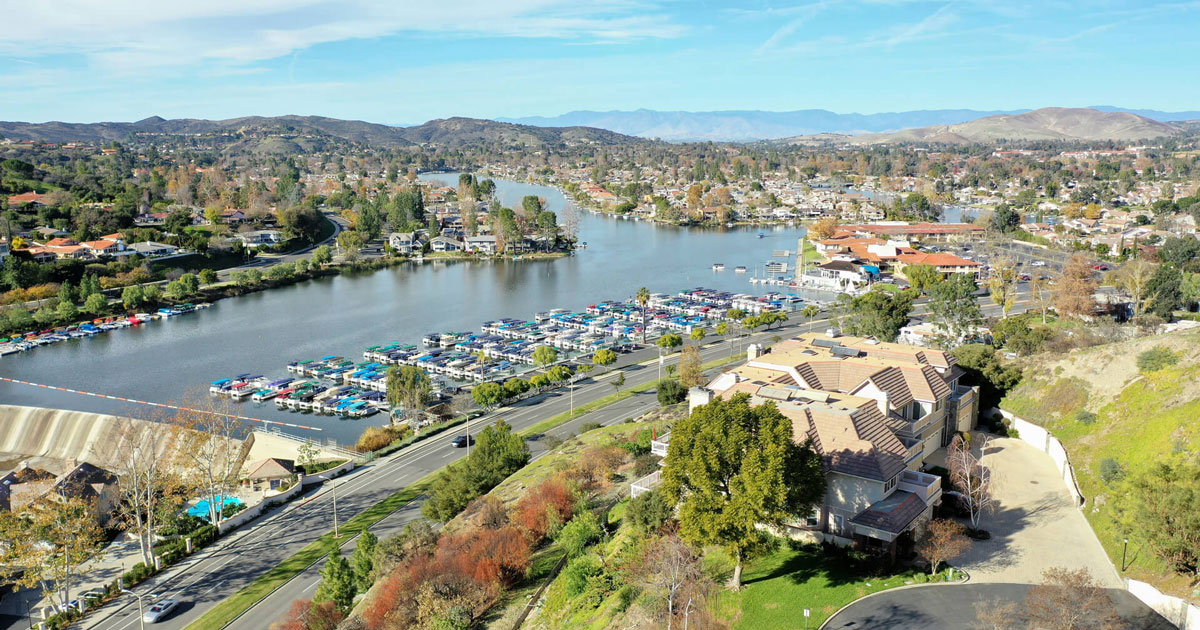
See June 2026 Westlake Village home prices, days on market, and sales trends, plus what current conditions mean for local...

Selling a distressed property in Ventura County can feel overwhelming, but homeowners often have more options than they realize. This...