
Ventura vs. LA Flood Risk in 2026: Insurance + Flood Map Buyer Playbook After the January Storms
Flood risk isn’t just “coastal.” In Ventura County and Los Angeles County, it can show up near creeks, channels, low points, and canyon exits—then surface as an insurance issue or a lender condition mid-escrow. This playbook gives you a repeatable checklist to run on any address before you remove contingencies.
Table of Contents
- Why buyers are re-checking flood + insurance in 2026
- “Flood” vs. “water damage”: what’s usually excluded
- The 5-step buyer playbook (maps → insurance → escrow timing)
- Actual map examples from official sources
- Lender + escrow timing checklist (avoid closing delays)
- Ventura vs. LA: practical differences buyers should know
- Offer + contingency strategy (keep control)
- Common flood insurance mistakes (and how to avoid them)
- FAQs
- Related Resources
Why buyers are re-checking flood + insurance in 2026
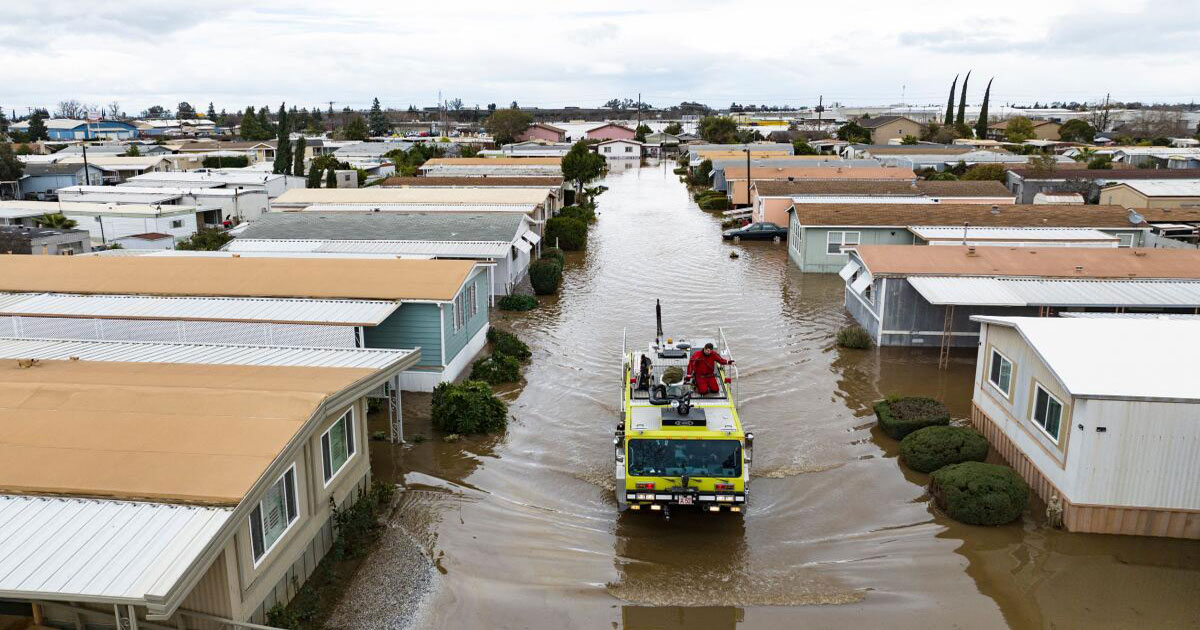
The January storms didn’t “rewrite” flood maps overnight—but they absolutely changed buyer behavior. When heavy rain hits and you see street flooding, pooling at intersections, or water pushing through channels, buyers start asking: “Is this house risky, or was this just a freak event?”
Here’s the reality: flood risk is both a data question and a transaction question. The data side is the FEMA flood zone and local layers. The transaction side is what matters day-to-day in escrow: Can you get the right coverage? Will the lender require it? Will it delay closing? What will it cost?
If you’re early in the process, pair this guide with your full buyer planning checklist in Buyer Resources and budget planning in the Mortgage Pre-Approval Guide (2026). If you’re already in escrow, use the timeline steps in the Closing Costs 2026 guide to make sure insurance coordination doesn’t become the last-minute bottleneck.
“Flood” vs. “water damage”: what’s usually excluded
The number one misunderstanding I see is assuming “water damage” is one category. It’s not. Flood (rising water from outside the home) is commonly excluded from standard homeowners insurance, and flood coverage is typically purchased separately.1
What typically counts as “flood”
- Rising water from outside the home (surface water)
- Overflow from channels/streams/creeks
- Heavy rainfall that accumulates and enters the structure at grade level
Start your flood zone check with FEMA’s official tools and confirm your exact risk classification by address.2 Then organize next steps using Buyer Resources.
What buyers confuse with “flood”
- Roof leaks (coverage depends on cause and maintenance)
- Burst pipes / internal plumbing events (often covered depending on cause)
- Sewer backup (often requires an endorsement)
This is why “insurance stacking” matters. For broader homeowners + wildfire + FAIR Plan planning, use: Home Insurance 2026: FAIR Plan + DIC.
The point isn’t to memorize policy language—it’s to run a process. If you’re comparing multiple homes, keep each property’s flood zone result, quote notes, and lender requirements in one place using Buyer Resources, and watch overall market timing in the 2026 SoCal Housing Forecast.
The 5-step buyer playbook (maps → insurance → escrow timing)
Use this sequence on any address in Ventura County or Los Angeles County. Don’t skip steps—each one protects you from a different kind of surprise.
- Run the FEMA check (official flood zone by address).2
- Cross-check a local layer for context (Ventura portal / LA GeoHub).34
- Do a street-level reality check (drainage, slope, low points, channel proximity).
- Confirm lender + insurance requirements early (SFHA can trigger a lender condition).2
- Align timing with escrow (quotes + bindable coverage before contingencies are removed).
Actual map examples from official sources
These are the tools I use when screening a property. The goal is to (1) identify the FEMA zone, (2) visualize the flood hazard layer quickly, and (3) confirm any local context. Use the same steps whether you’re shopping in Ventura County or Los Angeles County.
Example A: FEMA Flood Map Service Center (MSC) — the official starting point
FEMA’s Flood Map Service Center is the official public source for flood hazard mapping products that support NFIP.2 Search the address, then save/download the map panel for your records and for lender/insurance discussions.
Try these example lookups:
- Ventura City Hall: 501 Poli St, Ventura, CA 93001
- Los Angeles City Hall: 200 N Spring St, Los Angeles, CA 90012
- Santa Monica Pier area: 200 Santa Monica Pier, Santa Monica, CA 90401
If you’re building an offer strategy, run this check before you write the offer, and keep your results organized with Buyer Resources.
Example B: FEMA National Flood Hazard Layer (NFHL) Viewer — fast visual screening
The NFHL Viewer is a powerful way to visualize effective flood hazard data on a live map. Use it for quick screening and layer review, then confirm the official determination in FEMA MSC for lender/insurance decisions.52
After you identify the likely zone visually, jump back to MSC for the official panel. Then coordinate lender steps using Pre-Approval Guide.
Example C: LA County GeoHub Flood Zones — local visualization layer
LA County GeoHub provides a flood zones dataset layer that is useful for local visualization and quick “where does this sit?” screening.4 Use it as a context layer, and still confirm your official flood zone by address in FEMA MSC.2
If you’re buying in the Valley, pair this with the San Fernando Valley hub and your insurance planning in Home Insurance 2026: FAIR Plan + DIC.
Lender + escrow timing checklist (avoid closing delays)
Flood insurance becomes a problem when it’s discovered too late. The fix is simple: timebox the insurance work during your contingency period. Here’s how to structure it so you keep leverage and avoid last-minute lender conditions.
During showings / before writing the offer
- Run the FEMA MSC search for the address and note the zone.2
- Cross-check with Ventura’s flood readiness portal or LA GeoHub for context.34
- Walk the street: look for low points, slope direction, channel/drain proximity, and pooling indicators.
- Organize your “pre-offer checks” in Buyer Resources.
During inspection period / contingencies
- Ask your lender: “Does this zone trigger a flood insurance requirement to close?” (SFHA often does).2
- Get an insurance quote early and confirm if the quote is bindable for your closing timeline.
- Make sure you understand “homeowners vs flood” coverage separation.1
- Align insurance timing with escrow using Closing Costs 2026.
If you’re buying and you want a full “budget + insurance + lender alignment” plan, build it in this order: Pre-Approval Guide → Closing Costs 2026 → Home Insurance 2026: FAIR Plan + DIC → Buyer Resources.
Ventura vs. LA: practical differences buyers should know
FEMA flood zones are standardized, but the buyer experience differs across Ventura County and Los Angeles County because properties sit in different drainage patterns, different infrastructure ages, and different “risk stacking” realities (especially when wildfire + flood planning overlap). If you want a county-by-county plan beyond flood, start with the Ventura County real estate hub, Los Angeles County real estate hub, and the San Fernando Valley hub.
Ventura County: what I see most often
Ventura buyers often underestimate flood exposure in “inland” pockets because the coast gets all the attention. In reality, flood risk frequently clusters near river corridors and creek systems—especially properties near the Ventura River, Santa Clara River, and Calleguas Creek. Even when a property isn’t labeled “high-risk,” localized pooling can happen in low-lying streets, agricultural-adjacent areas, and older neighborhoods without modern stormwater upgrades.
Drainage patterns to watch: agricultural flats with poor drainage, neighborhoods with older storm systems, and streets where the home sits below the crown of the road (water naturally funnels toward the lowest point). This is where your street-level check matters: slope direction, curb inlets, channel proximity, and signs of prior water intrusion.
Premium ranges (ballpark): Typical flood insurance: $400–$1,200/year for moderate zones, and $1,500–$3,500+ for higher-risk SFHA scenarios. Pricing varies by elevation, coverage amount, and building details—use these as planning ranges, not guarantees.
For comprehensive insurance planning in these areas, see our Ventura County wildfire insurance guide and Home Insurance 2026: FAIR Plan + DIC. For your complete buyer checklist and document organization, use Buyer Resources.
Local context reference: Ventura County flood readiness portal and mapping explanations.3
Los Angeles County: what I see most often
LA buyers often focus on “coastal equals flood,” but many real-world issues show up in non-coastal patterns: canyon exits (Malibu/Topanga), low-lying areas (Venice/Marina del Rey), and parts of the San Fernando Valley near the LA River and drainage corridors. The practical move is to screen the address early using FEMA MSC and then visualize on a local layer for context.
Premium ranges (ballpark): Similar to Ventura for zones, but availability can be tighter in recent-fire areas where underwriting is already constrained. That’s why LA buyers should plan for both flood and wildfire due diligence, especially in hillside or brush-adjacent zones.
Unique LA factor: Many LA properties face dual wildfire + flood considerations. When that happens, you don’t want to be assembling insurance at the last minute. Build your plan using LA County wildfire insurance guide, your overall insurance stack strategy in Home Insurance 2026: FAIR Plan + DIC, and lender coordination steps in Mortgage Pre-Approval Guide (2026).
When evaluating flood risk alongside other property factors, use our county-specific resources: Ventura County real estate hub, Los Angeles County real estate hub, and San Fernando Valley hub.
For complete buyer planning that accounts for insurance (flood + wildfire + homeowners), see Buyer Resources and review market timing in our 2026 SoCal Housing Forecast. Dual-coverage planning is covered in our Home Insurance 2026 FAIR Plan + DIC guide.
Local visualization reference: LA County GeoHub flood zones dataset.4
Offer + contingency strategy (keep control)
Flood insurance isn’t “deal-killing”—surprise flood insurance is. If a home might require flood coverage or has obvious drainage concerns, you simply tighten your process so you keep leverage until you’ve verified cost and timing.
Protective contingencies that keep you in control
- Map diligence: Run FEMA MSC before you write the offer.2 Keep a screenshot or PDF panel in Buyer Resources.
- Lender diligence: Confirm if SFHA triggers a lender requirement and what proof is needed for closing.2 Use Pre-Approval Guide.
- Insurance diligence: Get a bindable quote during contingencies—don’t remove contingencies first.
- Negotiation leverage: If flood insurance changes your budget, negotiate credits/price during your contingency window.
- Timeline discipline: Align policy effective date with closing using Closing Costs 2026.
Common Flood Insurance Mistakes (And How to Avoid Them)
These aren't theory—these are the actual mistakes I see buyers make that create escrow stress, surprise costs, or worse. Each one is fixable if you catch it early.
-
Mistake #1: Assuming "Not Coastal" = "Not at Risk"
Flood risk appears near creeks, channels, low points, and areas with poor drainage—miles from any coast. Always run the FEMA check regardless of how "inland" a property feels.2 County-specific guidance: Ventura County hub and LA County hub.
-
Mistake #2: Waiting Until After Offer to Check Flood Zone
If you find out mid-escrow that you need flood insurance and it costs $2,500/year, that changes your budget and potentially your offer price. Run maps during showings, not during contingencies. Use Buyer Resources to organize your pre-offer checklist and coordinate with lender requirements from Day 1.
-
Mistake #3: Confusing Homeowners Coverage with Flood Coverage
Standard homeowners insurance typically excludes flood.1 Flood coverage is separate (often NFIP). For complete insurance planning, see our Home Insurance 2026 FAIR Plan + DIC guide and keep all policy docs organized in Buyer Resources.
-
Mistake #4: Not Asking About Waiting Periods
NFIP policies often have a 30-day waiting period.2 If you're closing in 21 days and just now requesting a quote, you have a problem. Build this into your escrow timeline using our Closing Costs 2026 guide and Pre-Approval Guide.
-
Mistake #5: Skipping the Street-Level Reality Check
A FEMA map is a starting point, not the full story. Walk the property, check slope/drainage, and look for past water intrusion signs. This is the same discipline we use for wildfire risk—see Ventura wildfire guide and LA wildfire guide for property assessment tactics.
-
Mistake #6: Not Factoring Flood Insurance into Budget
If you're stretching to afford the purchase and suddenly need $1,800/year for flood insurance, that impacts cash flow and qualification. Budget for this during pre-approval using our First-Time Homebuyer Guide and Closing Costs guide.
-
Mistake #7: Removing Contingencies Before Insurance Quote
Once contingencies are removed, your negotiating position weakens. Get a bindable flood insurance quote during your contingency period, confirm costs, then decide. Keep leverage using Buyer Resources checklists and coordinate with your lender early.
FAQs
Does homeowners insurance cover flood damage in California?
Usually no—standard homeowners insurance commonly excludes flood.1 Flood coverage is typically purchased separately. For complete planning (homeowners + flood + wildfire), see Home Insurance 2026: FAIR Plan + DIC and organize your documents in Buyer Resources.
How do I check a property’s flood zone in Ventura County or Los Angeles County?
Start with FEMA’s Flood Map Service Center (MSC) address search.2 Then cross-check local context using Ventura County’s flood portal3 or LA GeoHub4. For county-specific buying checklists, use Ventura County hub and LA County hub.
What is a Special Flood Hazard Area (SFHA) and why does it matter?
SFHAs are higher-risk flood areas on FEMA maps. Many federally backed lenders require flood insurance for buildings in SFHAs to close.2 If you’re mapping lender requirements from Day 1, follow the Mortgage Pre-Approval Guide 2026.
Can a lender require flood insurance even if the home isn’t in an SFHA?
Sometimes. Requirements can vary by lender and loan type. The smart approach is to confirm early during your contingency period, align your insurance timeline with escrow, and document everything using Buyer Resources.
Where can I find an interactive flood map viewer?
FEMA’s National Flood Hazard Layer (NFHL) Viewer is a fast interactive way to visualize effective flood hazard data.5 Use it for screening, then confirm the official zone via FEMA MSC.2 If you're also evaluating wildfire exposure, pair this with the Ventura County wildfire insurance guide and LA County wildfire insurance guide.
Why do storms matter if FEMA maps don’t change right away?
Storms reveal real-world drainage problems and localized flooding that may not be obvious from a single zone label. Use the full playbook: FEMA check2 plus local layers34 plus street-level reality check, then structure your timeline with the Closing Costs 2026 guide.
What should I do first if I’m already in escrow?
Run the FEMA MSC check immediately,2 confirm lender requirements, and request a bindable flood insurance quote during your contingency period. Keep leverage by using Buyer Resources, the Mortgage Pre-Approval Guide 2026, and the Closing Costs 2026 guide.
Related Resources for Ventura & LA County Buyers
Flood insurance connects to your broader buying strategy—from offer pricing to lender coordination to insurance stacking (flood + wildfire + homeowners). Use these resources to build a complete plan, and if you want me to run this playbook on a specific address, start here: Contact.
Insurance & Risk Resources
- Ventura County Wildfire Insurance Guide — Complete VHFHSZ analysis, carrier strategies, mitigation planning
- Los Angeles County Wildfire Insurance Guide — LA-specific risk zones, brush clearance, insurance options
- Home Insurance 2026: FAIR Plan + DIC — stacking coverage, underwriting friction points, buyer checklist
- 2026 Southern California Housing Market Forecast — timing, demand signals, strategy
- Home Value Report — pricing context for negotiation and credits
Buyer Planning & Financing
- Buyer Resources — checklists, timelines, offer strategy organization
- Mortgage Pre-Approval Guide (2026) — lender readiness, conditions, timeline planning
- Closing Costs 2026 (Ventura vs LA) — escrow timeline, credits, budgeting
- First-Time Homebuyer Guide (Ventura County, 2026) — budgeting, due diligence, expectations
- Blog Hub — all market updates, buyer guides, insurance guides
County & Neighborhood Hubs
- Ventura County Real Estate Hub — cities, neighborhoods, guides
- Los Angeles County Real Estate Hub — LA-wide buyer resources
- San Fernando Valley Hub — Valley-specific guidance
- Contact — run a flood + insurance screen on a specific address
Quick Actions
- Start your buyer checklist (maps, lender, insurance, escrow timeline)
- Confirm lender requirements early (avoid late conditions)
- Plan your insurance stack (homeowners + flood + wildfire)
- Budget the full cost (closing costs + insurance)
Sources & References
- California Department of Insurance: Flood Facts
- FEMA Flood Map Service Center: Official Flood Maps
- Ventura County Flood Information: Flood Readiness Portal
- LA County GeoHub: Flood Zones Dataset
- FEMA National Flood Hazard Layer: NFHL Viewer
Disclaimer: This article is for general informational purposes and does not constitute insurance, legal, or lending advice. Flood zones, lender requirements, underwriting rules, and policy coverages can vary by address and change over time. Always confirm with the official sources above, your lender, and your insurance professional.
- All Posts
- Buyer Guides
- California Home Insurance & Wildfire Risk
- Home Financing (Mortgage & Loan Guides)
- Market Updates & Forecasts
- Seller Guides
- Back
- Ventura County Real Estate Market Updates
- San Fernando Valley Real Estate Market Updates (Monthly): Prices, Inventory & Trends

Ventura County Mortgage Rates October 2026 October 2026 Mortgage Market Update Ventura County Mortgage Rates October 2026: 7.4% and What...
Ventura County Home Seller Guide | Fall / Winter 2026 Should You Sell Now or Wait Until Spring? Ventura County...
SEPTEMBER 2026 · MARKET UPDATE San Fernando Valley Housing Market Update: September 2026 Prices, Trends & City-by-City Data The median...
Ventura County’s September 2026 housing market: $875K median price, 489 closed sales, 31 days on market, and city-by-city data for...

State Farm filed to start writing new California home policies again, but only for homes with an IBHS Wildfire Prepared...

Encino real estate in 2026: see median home and condo prices, 494 closed sales, 91436 vs. 91316 trends, neighborhood insights,...