
New California Real Estate Laws 2027: What Buyers & Sellers Need to Know

New California real estate laws 2027 change what you can build, what your HOA can block, and how much notice your insurer must give. Here’s what starts January 1, what waits until 2028 or later, and what it means for Ventura County buyers and sellers.
Should You Sell Now or Wait Until Spring? Ventura County Fall/Winter 2026 Guide
Ventura County Home Seller Guide | Fall / Winter 2026 Should You Sell Now or Wait Until Spring? Ventura County Fall/Winter 2026 Guide By Zac Wasserman, REALTOR® (CA DRE# 02210760), RE/MAX ONE | Updated October 9, 2026 If you own a home in Ventura County and you’ve been thinking about listing, you’re probably asking one question: should you sell now or wait until spring? It’s a fair question, because the market changed this fall. Mortgage rates climbed to 7.40% in early October. The Federal Reserve raised rates for the first time since 2023, and the holidays are only a few weeks away. However, the local numbers tell a more useful story than the headlines do. In this guide, I’ll walk through what September’s MLS data shows and what each choice is likely to cost you. I’ll also explain how to decide based on your own situation. Should You Sell Now or Wait Until Spring? The Short Answer For most Ventura County homeowners, selling this fall makes sense if you need to move within the next six months. It also makes sense if you’re buying another home in the same market or if your home is ready to show today. On the other hand, waiting makes sense if your home needs work and your timeline is flexible. You should also be able to carry the home comfortably through winter. Therefore, the right answer depends less on the calendar and more on your price, your preparation, and your next move. Free Home Valuation → One thing is clear from the data, though: timing matters far less than pricing. In September, homes that were priced correctly sold in a median of 20 days at full price. Meanwhile, homes that needed a price reduction took a median of 70 days. As a result, a well-priced November listing can outperform an overpriced April listing. What the Ventura County Market Looks Like Heading Into Winter I pulled every closed sale in the county for September, and the full breakdown is in my September 2026 Ventura County market update. Here are the numbers that matter most for sellers: Closed sales: 489, compared with 497 in August Median sale price: $875,000 across all property types, and $950,000 for single-family homes Median days on market: 31 Median sale-to-list price ratio: 98.6%, down slightly from 99% in August Sellers who reduced their price before selling: 32% Sellers who paid a credit toward the buyer’s closing costs: 39%, with a median credit of $7,750 In other words, the market is steady but no longer forgiving. Prices are holding, and homes are still selling in about a month. However, roughly one in three sellers had to cut their price. In addition, nearly four in ten paid part of the buyer’s costs. Furthermore, most of those September closings went under contract in August, before rates jumped. Consequently, I expect the October and November data to show somewhat longer market times and more negotiation. How 7.40% Mortgage Rates Change the Math for Sellers According to Freddie Mac’s Primary Mortgage Market Survey, the average 30-year fixed rate reached 7.40% on October 8, 2026. That is up from 7.28% a week earlier and 6.30% a year ago. In addition, the September Fed rate hike lifted the federal funds range to 3.75%–4.00%, and several Fed officials have signaled that one more increase is possible before year-end. You can check upcoming meeting dates on the Federal Reserve’s FOMC calendar. So what does that mean for your buyer? For example, consider someone purchasing the county’s median-priced home at $875,000 with 20% down. At 6.30%, the principal and interest payment on a $700,000 loan is about $4,333 a month. At 7.40%, that same payment is about $4,847. Therefore, today’s buyer pays roughly $514 more every month than a buyer did a year ago for the same house. Because of that, buyers are more payment-sensitive than they were last spring. They negotiate harder, they ask for credits, and they walk away from homes that feel overpriced. Still, the buyers who are shopping right now are serious, because nobody tours homes at 7.40% for fun. Many of them have a job relocation, a lease ending, or a home they’ve already sold. It’s also worth being honest about what nobody knows. Rates could ease by next year if inflation cools. Alternatively, they could move higher if the Fed raises again. For that reason, waiting for a better rate environment is a bet, not a plan. The Case for Selling Now First, you’ll typically face less competition. Many homeowners delay listing once the holidays approach. As a result, the buyers who are still looking have fewer homes to choose from. A clean, well-priced home stands out. Second, you stop the clock on carrying costs. Every month you wait, you keep paying the mortgage, property taxes, insurance, and maintenance. For example, those costs might total $5,000 a month on your home. If so, waiting from November to April costs about $25,000 before you ever accept an offer. Your number will differ, so run it with your own bills. Third, if you’re also buying, the same conditions work in your favor on the purchase. In September, 39% of sellers paid a buyer credit and 32% cut their price. As a result, you’ll likely have room to negotiate on your next home. In fact, selling and buying in the same market often cancels out much of the timing risk. Finally, you avoid the uncertainty. Today’s prices are known: the county median is $875,000. In addition, well-priced homes are selling at full price in about three weeks. Next year’s prices and rates, however, are only a forecast. If you’re worried about where things are headed, I covered the longer outlook in my post on a possible housing market crash in 2027. The Case for Waiting Until Spring Waiting is a perfectly reasonable choice for some sellers, and I’d rather tell you that than push you to list. First, the spring market usually brings more buyers. Families often
Can You Sell an ADU Separately in California? Your 2026 AB 1033

Can You Sell an ADU Separately in California? Your 2026 AB 1033 Guide for LA & Ventura County Sell an ADU Separately in California (AB 1033) If you built a backyard unit to add income or house family, you have probably wondered whether you can sell an ADU separately from your main home and cash in on that equity. It is one of the most common questions I hear from homeowners across Ventura County and the San Fernando Valley, and the honest 2026 answer has real nuance. A California law called AB 1033 made separate sales possible in theory. However, whether it applies to your property depends entirely on where you live. In this guide, I will walk you through exactly what AB 1033 does, where it stands locally right now, and how to position yourself if your city eventually opts in. I am Zac Wasserman, a licensed REALTOR with RE/MAX ONE, and I help buyers and sellers navigate exactly these kinds of gray areas every week. Let’s clear up the confusion. What AB 1033 Actually Does (and What It Doesn’t) Assembly Bill 1033 was signed into law in October 2023 and took effect on January 1, 2024. In plain terms, it added a new section to California’s planning code that gives cities and counties the authority to let homeowners sell an accessory dwelling unit as its own condominium, separate from the primary house on the same lot. Before this law, an ADU was legally tied to the main home and could not be sold on its own. Here is the catch that trips up most homeowners, though. AB 1033 is permissive, not mandatory. In other words, the state did not automatically unlock separate ADU sales everywhere. Instead, each individual city or county must affirmatively pass its own local ordinance before any homeowner in that jurisdiction can take advantage of the law. As a result, the map of where this actually works is patchy, and it is changing slowly. Additionally, it helps to understand what the law does not do. AB 1033 does not create new types of ADUs, loosen construction rules, or override your local zoning. Furthermore, it does not turn your existing rental unit into an instant sellable asset. It simply changes what can legally happen to a permitted ADU after it is built, and only in places that have opted in. The key distinction California allows local governments to create an AB 1033 program. The law does not automatically give every California homeowner the right to sell an ADU separately. Can You Sell an ADU Separately in California Right Now? For most of the state, the short answer is still no. As of 2026, only a small number of California jurisdictions have adopted the local ordinance required for a separate ADU sale. San Jose led the way and completed the state’s first separate ADU sale in 2025. Santa Monica followed with its own ordinance, and unincorporated San Diego County adopted a program that took effect in April 2026. A few other cities are studying or drafting ordinances, but the list of places where this is fully operational remains short. Consequently, whether this option is even available to you comes down to one question: has your specific city or county opted in? If the answer is no, then under default state law your ADU still cannot be sold apart from the main house, no matter how nice or independent the unit is. This is why I always tell homeowners to confirm their local status before making any decision based on AB 1033. AB 1033 Status in Los Angeles and Ventura County (2026) Now for the part that matters most to my clients. As of 2026, neither Los Angeles nor Ventura County allows the separate sale of an ADU. Let’s break it down by area. Ventura County In Ventura County, the county updated its ADU ordinance in 2024 to align with state law, and it applies to all unincorporated areas through the Resource Management Agency. However, that ordinance does not implement an AB 1033 separate-sale program. Moreover, none of the county’s ten incorporated cities, including Thousand Oaks, Camarillo, Simi Valley, Oxnard, and Ventura, has adopted its own AB 1033 ordinance yet. Therefore, if you own an ADU anywhere in Ventura County today, you cannot sell it separately from your primary residence. Los Angeles The picture is similar in Los Angeles. The City of Los Angeles introduced a council motion back in 2025 to explore AB 1033, but that motion has not advanced into an adopted ordinance. Likewise, unincorporated Los Angeles County has not adopted a separate-sale program, and neighboring cities such as Pasadena, Glendale, and Alhambra remain on the sidelines as well. In short, the entire LA-to-Ventura corridor that I serve is currently a “not yet” zone. That said, local policy can shift quickly, and housing pressure keeps AB 1033 on the agenda. For that reason, it is worth understanding how the process would work so you are ready to move the moment your city acts. Your ADU may not be separately sellable yet — but it can still affect what your property is worth today. If you own a home with an ADU in Ventura County or the San Fernando Valley, I can help you look at the property as a whole and understand how buyers may value the additional living space and income potential. Get a Free Home Valuation Call or Text 805.212.9147 How the ADU Condo Conversion Process Works Selling an ADU separately is not as simple as listing it and finding a buyer. Because the law treats the ADU as a condominium, you essentially convert your single lot into a two-unit condo project. Here is the general path in jurisdictions that allow it. 1 The ADU must be fully permitted and have received its certificate of occupancy. 2 A surveyor and civil engineer prepare the required condominium mapping. 3 A condominium plan is recorded and separate ownership interests are created. 4 CC&Rs are recorded
Ventura County Foreclosures in 2026: A Buyer & Seller Guide

Ventura County foreclosures are rarer than most people think in 2026 — and that changes everything for both buyers and distressed owners. Here’s where to actually find foreclosures for sale, how cash home buyers really price their offers, and the options struggling homeowners have before it’s too late.
Can ChatGPT Sell Your House? What Ventura County Sellers Should Know in 2026
Can ChatGPT sell your house in 2026? Here’s what AI does well, where it falls short, and what it can cost Ventura County sellers in a softening market.
Selling a Distressed Property in Ventura County: 2026 Guide

Selling a distressed property in Ventura County can feel overwhelming, but homeowners often have more options than they realize. This 2026 guide explains as-is sales, cash offers, repairs, foreclosure alternatives, and how to protect as much equity as possible.
What Is My Home Worth in Thousand Oaks? (2026 Seller Guide)
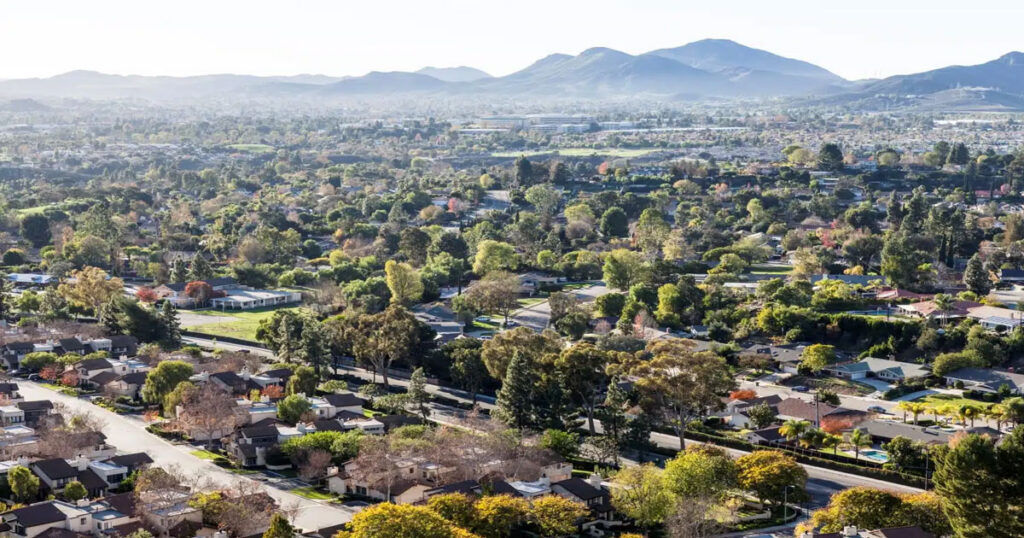
What is my home worth in Thousand Oaks in 2026? Learn what drives local home values, why Zillow and Redfin estimates miss, and how to get a free expert valuation.
What Is My Home Worth in Camarillo? (2026 Seller Guide)

What is my home worth in Camarillo? This 2026 seller guide explains what drives local home values, why online estimates can miss the mark, and how to get an accurate, property-specific valuation from a local REALTOR®.
Is Simi Valley a Good Place to Live? (2026 Honest Guide)

Thinking about living in Simi Valley? This honest 2026 local guide breaks down neighborhoods, schools, safety, commuting, cost of living, and what buyers should know before making a move.
What Is My Home Worth in Simi Valley? Your 2026 Seller’s Guide
See mortgage rates today in Ventura County, what changed this week, and how current June 2026 rates affect local buyers, payments, and purchase strategy.
Is Now a Good Time to Sell in Ventura County? (2026)

Is Now a Good Time to Sell in Ventura County? (2026) Ventura County Seller Guide Is Now a Good Time to Sell Your House in Ventura County? Summer 2026 Guide If you’ve been watching the market and wondering whether now is a good time to sell your home in Ventura County, you’re not alone. Thousands of homeowners across Thousand Oaks, Camarillo, Simi Valley, and Oxnard are asking the same question right now — and the answer depends on factors that go well beyond headlines. The short version: yes, summer 2026 presents a real opportunity for Ventura County sellers. However, “opportunity” does not mean every home sells easily. Pricing, preparation, presentation, and local demand all matter more than they did during the overheated 2021–2022 market. In This Guide What the Ventura County market looks like right now What the data says about selling in summer 2026 Why summer 2026 could work in your favor What is holding some sellers back How to maximize your sale price this summer What your home could be worth right now FAQ What the Ventura County Market Looks Like Right Now To understand whether now is a good time to sell, you first need a clear picture of where the market actually stands. Based on the most recent data, Ventura County continues to hold strong relative to most of Southern California. Median home prices across Ventura County remain elevated — particularly in inland cities like Thousand Oaks and Camarillo, where demand from LA-area buyers has helped keep values firm. Additionally, inventory levels in many Ventura County cities are still below historical norms, which means sellers in desirable areas are not competing against a flood of listings. That said, the market is not as frothy as it was in 2021 or 2022. Buyers are more selective today, mortgage rates remain in the mid-6% range as of mid-2026, and affordability constraints have softened demand at certain price points. According to the California Association of REALTORS®, statewide housing affordability remains historically low, which means the pool of qualified buyers — while active — is more rate-sensitive than it used to be. For a detailed look at recent numbers, check out my Ventura County housing market Q1 2026 breakdown, which covers median prices, days on market, and inventory by city. Is Now a Good Time to Sell in Ventura County? What the Data Says Yes — summer 2026 is generally a favorable time to sell your home in Ventura County, particularly if your property is well-priced and move-in ready. Here’s why the data supports that conclusion. First, buyer activity traditionally peaks in the spring and summer. Families often want to relocate before the school year, and longer daylight hours mean more showing opportunities. Therefore, demand is seasonally elevated right now compared to what you would typically see in November, December, or January. Second, Ventura County continues to attract significant interest from Los Angeles County buyers priced out of the Westside, San Fernando Valley, and other nearby markets. This relocation demand creates a consistent baseline of motivated, qualified buyers — many of whom are specifically searching for exactly what Ventura County offers: space, value, and relative proximity to work. Third, while interest rates are not low, they have stabilized. Buyers who were sitting on the sidelines waiting for a dramatic rate drop have largely accepted that 6%+ rates are the current reality, and many are moving forward. As a result, some of the hesitation that slowed the market in late 2023 and 2024 has eased. Furthermore, homes that are priced accurately are still selling within a competitive window in many Ventura County neighborhoods. Overpriced homes, however, are sitting longer and facing reductions. The current market rewards correct pricing far more than it did three years ago. Thinking about selling this summer? The first step is understanding what your home is realistically worth in today’s Ventura County market — not based on a generic online estimate, but based on recent comparable sales in your neighborhood. Get Your Free Home Valuation Why Summer 2026 Could Work in Your Favor Beyond the general market conditions, there are specific reasons why the summer 2026 window is worth taking seriously if you are considering selling. Inventory is still manageable. In many Ventura County neighborhoods, the number of active listings remains below what a fully balanced market would look like. That is good news for sellers. Fewer competing listings means more visibility, stronger showing activity, and in some cases, multiple-offer situations for the right property. LA-to-Ventura migration has not slowed. The relocation trend that accelerated after the pandemic has not fully reversed. Remote and hybrid work arrangements remain common, and Ventura County continues to attract buyers who want more home for their money without leaving Southern California. This cross-county demand provides a meaningful layer of support for local sellers. Summer buyers are motivated. Unlike casual browsers in January, summer buyers — particularly families — are often working against a real deadline. A buyer who wants their kids enrolled in Conejo Valley, Camarillo, Moorpark, or Simi Valley before fall may be highly motivated to close. That urgency can benefit sellers. Rates are stable, not spiking. While nobody is celebrating 6.5% mortgage rates, stability is better than volatility. Buyers can plan around a stable rate environment, and lenders are actively competing for business. That can translate to smoother transactions and fewer financing surprises. For context on the demand side, my post on whether you should wait to buy a house in 2026 gets into the buyer psychology driving decisions this year — which is worth understanding if you want to think like your buyer. What’s Holding Some Sellers Back — And Whether It Should Stop You Despite favorable conditions, a number of Ventura County homeowners are hesitating. Understanding these friction points can help you assess whether they apply to your situation. The rate lock-in effect. Many sellers refinanced between 2020 and 2022 and are sitting on mortgage rates between 2.5% and 3.5%. Trading that for a new purchase
Median Home Price in Simi Valley CA — 2026 Data & Trends
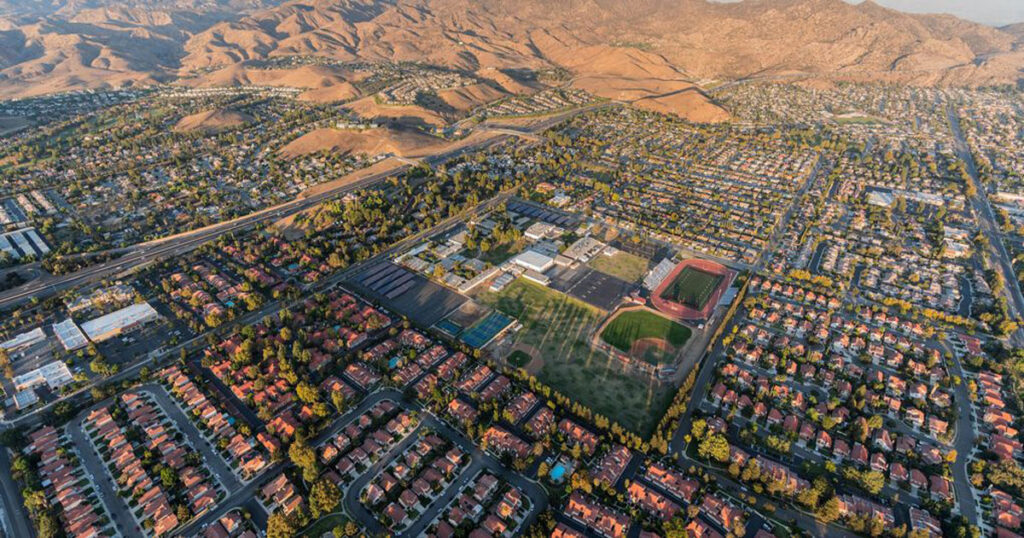
Median Home Price in Simi Valley CA — 2026 Data Simi Valley Real Estate Market 2026 Median Home Price in Simi Valley CA 2026: What Homeowners Need to Know A clear, local breakdown of Simi Valley home prices, neighborhood value ranges, market trends, and what sellers should understand before pricing their home. Find Out What Your Simi Valley Home Is Worth Median Home Price in Simi Valley CA 2026: What Homeowners Need to Know For July–September 2026, Redfin reports a Simi Valley median sale price of $814,612 across all home types. This rolling three-month measure is market context, not a valuation of your home. However, the more important question is not just “What is the median price?” It is “What does that number mean for your specific home?” That distinction matters because Simi Valley is not one uniform market. Wood Ranch, Big Sky, Central Simi, East Simi, West Simi, condos, townhomes, and larger single-family homes can all perform very differently. As a result, the median price gives you a helpful starting point, but it does not replace a neighborhood-specific pricing strategy. Below is a clear breakdown of Simi Valley home prices, local trends, neighborhood value ranges, and what homeowners should understand before making a selling decision in 2026. Quick Seller Takeaway Simi Valley is not a weak market, but it is a more selective one. Sellers who price accurately, prepare well, and launch with a clear strategy are in a much stronger position than sellers who rely only on broad online estimates. Median Home Price Simi Valley CA 2026: The Quick Answer The latest verified snapshot used here covers July–September 2026: $814,612 median sale price, 267 homes sold, 48 median days on market, and a 99.1% average sale-to-final-list ratio. Source checked October 22, 2026. Source: Redfin Simi Valley Housing Market, all home types, three months ending September 2026. Figures may be revised as records arrive. For city-level comparisons, use the same source, property types, and reporting period. A home-value index, an average price, and a median closed-sale price measure different things. Recent sales describe the homes that changed hands during the period. Changes in the property mix can move the median even when an individual home’s value has not changed by the same amount. For homeowners, that means pricing strategy matters more than ever. What the 2026 Simi Valley Housing Data Shows The 2026 Simi Valley real estate market is best described as steady, but selective. This article uses one dated Redfin snapshot rather than combining figures from different months and methodologies. Median days on market measures listing-to-contract time for homes going under contract in the period. It is not cumulative MLS time for closed sales. The sale-to-list ratio averages sale price divided by final asking price. When you put these numbers together, a few patterns become clear: Redfin · Simi Valley · All home types · July–September 2026 Median sale price $814,612 Homes sold 267 Median days on market 48 days Average sale-to-final-list 99.1% Therefore, the market is not “bad.” It is simply less forgiving. A well-priced, well-prepared home can still attract strong buyer attention. However, a home that is priced too aggressively may sit, reduce, and ultimately sell for less than it could have with a tighter launch strategy. Why Simi Valley Prices Are Holding Steady Simi Valley continues to hold value because it offers a combination of space, suburban lifestyle, relative affordability, and access to both Ventura County and the San Fernando Valley. Compare nearby cities using matching dates and property types. A difference in citywide medians does not measure how much more home an individual buyer receives for each dollar. That value gap matters. Many buyers who initially search in Thousand Oaks, Westlake Village, or parts of the Conejo Valley eventually compare Simi Valley because they can often find larger lots, more square footage, or a more attainable monthly payment. Similarly, some buyers priced out of Moorpark or certain Conejo Valley neighborhoods may consider Simi Valley as a practical alternative. However, affordability is still a constraint. Mortgage rates, insurance costs, property taxes, and monthly payment sensitivity all affect buyer behavior. Consequently, buyers are looking closely at price, condition, commute, updates, layout, and resale value before making offers. That is why what homes are selling for in Simi Valley is only part of the story. The better question is whether your home sits above, below, or right in line with buyer expectations for its neighborhood and condition. Simi Valley Neighborhood Price Ranges in 2026 Simi Valley’s median price can be misleading if you apply it too broadly. A condo, an older West Simi single-family home, a Central Simi tract home, and a Wood Ranch property are not competing in the same exact buyer pool. Compare current sales and active competition within the actual tract and property type. Broad neighborhood price bands can become outdated quickly. For neighborhood context and a starting point for comparing areas, explore the Simi Valley real estate and neighborhood guide. Wood Ranch includes multiple tracts and property settings; compare the specific floor plan, condition, lot, and association obligations. Big Sky is a northern Simi Valley hillside community. Central, East, and West Simi are broad search labels, so evaluate actual streets and properties. West Simi Valley often appeals to buyers who want to stay under the higher price thresholds while still buying a single-family home. Additionally, condos and townhomes remain important because affordability has become a major driver in Ventura County. Instead of using one citywide median number to price a property, the right pricing strategy should factor in neighborhood, property type, condition, upgrades, lot size, location, floor plan, and current competing inventory. Simi Valley vs Nearby Ventura County Cities Simi Valley’s value proposition becomes clearer when you compare it with nearby Ventura County and Conejo Valley cities. For neighborhood context and a starting point for comparing areas, explore the Simi Valley real estate and neighborhood guide. Compared with the median home price in Thousand Oaks, Simi Valley generally offers a lower entry
Median Home Price in Thousand Oaks, CA: 2026 Data, Trends & What It Means for Sellers
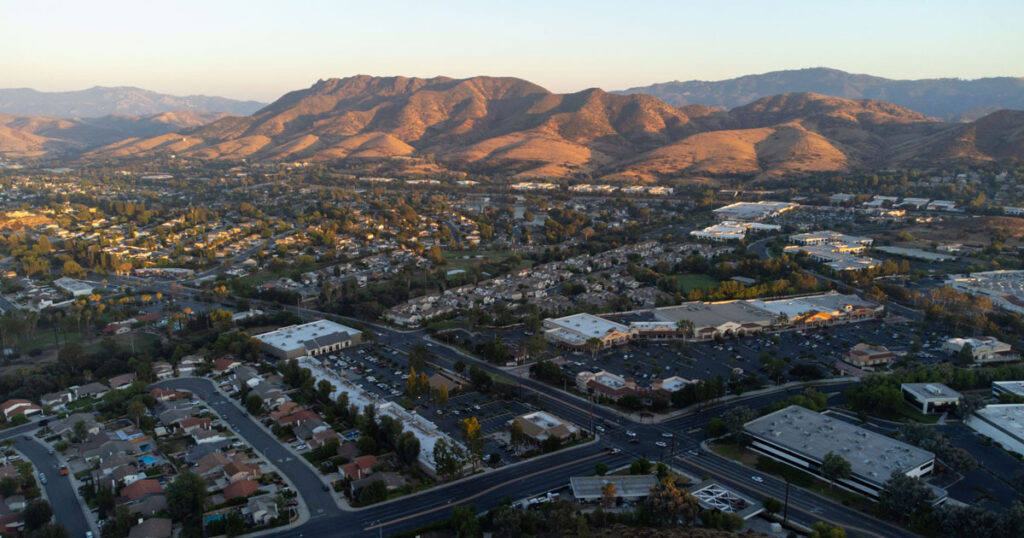
The median home price in Thousand Oaks CA in 2026 is hovering in the $1.03M–$1.1M range — but the headline number only tells part of the story. Here’s a neighborhood-by-neighborhood breakdown of current prices, days on market, and what your Thousand Oaks home could actually be worth right now.
What Are Closing Costs for Sellers in Ventura County?
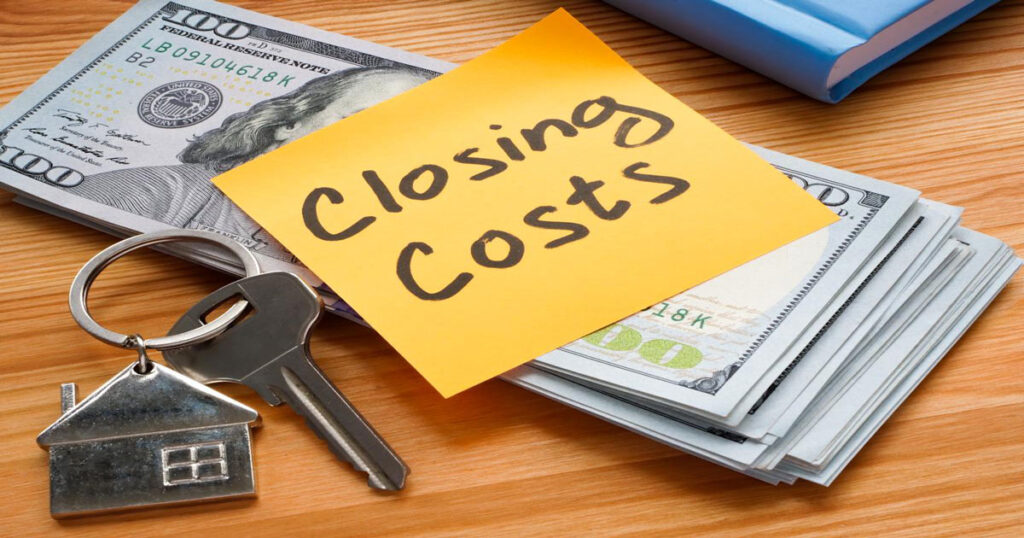
Selling in Ventura County? Here’s exactly what sellers pay at closing in 2026 — and how to calculate your real net proceeds before you list.