
Closing Costs 2026 Ventura Los Angeles: Title, Escrow, Taxes & Credits (Cash-to-Close)
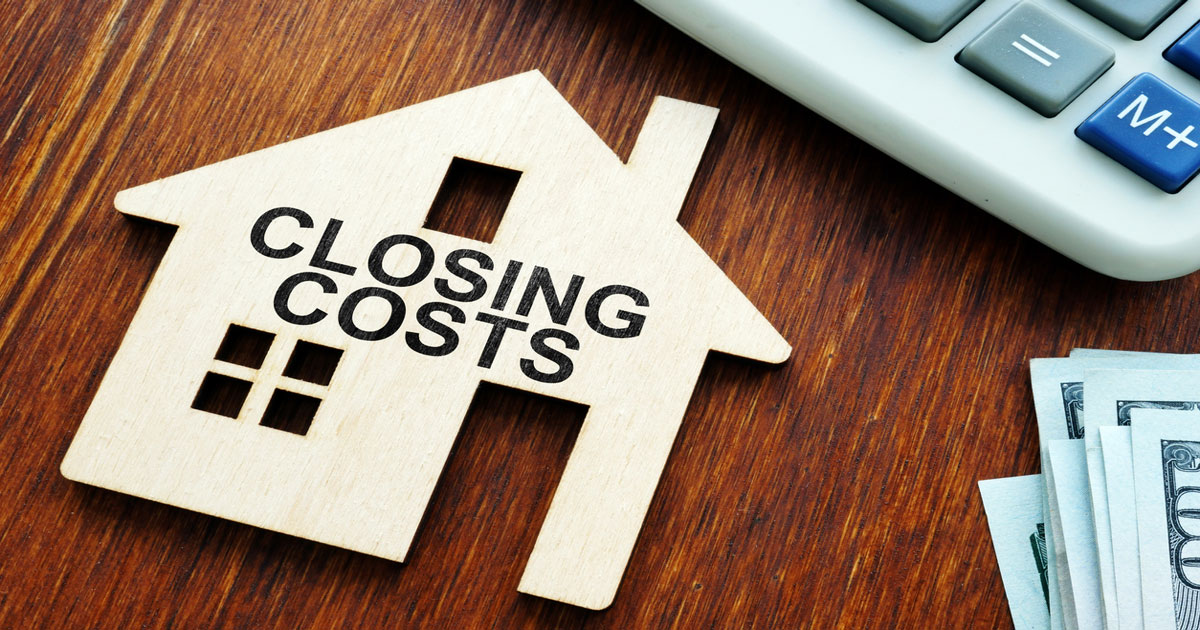
A Ventura vs Los Angeles County breakdown of buyer vs seller closing costs in 2026, with cash-to-close planning and real examples so you can budget accurately before you open escrow.
Quick Answer: Closing Costs (2026)
- Buyers: typically ~2%–5% of the purchase price in closing costs (plus down payment + reserves).
- Sellers: often ~6%–10% total costs (commissions + title/escrow/transfer taxes; city-dependent).
- Ventura vs LA: differences usually come from transfer taxes and city fees (some LA cities are higher).
- Biggest swing factors: seller credits, loan points/origination, escrow/title, and prepaid taxes/insurance.
- Cash-to-Close: Down Payment + Buyer Closing Costs + Prepaids − Credits.
This closing costs 2026 Ventura Los Angeles guide breaks down what you’ll pay line-by-line (buyers vs sellers), shows where Ventura and LA can differ, and gives real cash-to-close examples so there are no surprises at signing.
For a baseline overview of how closing costs show up on your paperwork, see the CFPB’s consumer guide and Loan Estimate explainer: CFPB closing costs and what a Loan Estimate is. (This post focuses on practical Ventura + LA budgeting and common 2026 scenarios—not legal or tax advice.)
If you’re buying or selling in Southern California this year, closing costs 2026 Ventura Los Angeles is one of the most important budget lines to understand—because it affects whether your offer is realistic, your cash-to-close is accurate, and your escrow timeline stays smooth.
In this guide, I break down closing costs 2026 Ventura Los Angeles for both buyers and sellers, highlight the Ventura vs LA differences that matter (transfer taxes and city fees in particular), and show real dollar examples at common price points so you can plan with confidence.
What Are Closing Costs in California? (Buyers vs Sellers)
When planning closing costs 2026 Ventura Los Angeles, these are the fees and prepaid items required to complete a real estate transaction and record the new ownership. Some costs are fixed-ish (recording fees), some vary by lender (origination/points), and some depend heavily on the city where the property is located (transfer taxes).
Buyer closing costs usually include
- Lender fees (origination, underwriting, points if any)
- Appraisal, credit report, and other lender-required services
- Title insurance (often lender’s policy) + title/escrow services
- Recording + notary (varies)
- Prepaids: homeowners insurance premium, prepaid interest, and prorated taxes/HOA
- Optional but common: home inspection, sewer scope, roof/HVAC specialty inspections
Seller closing costs usually include
- Real estate commissions (negotiable)
- Title insurance (often owner’s policy) + escrow services
- Transfer taxes (county + possible city add-ons)
- Payoff costs: lender demand, reconveyance, lien releases
- Prorated taxes/HOA, disclosures (NHD report), and possible home warranty
- Negotiated credits or repairs from inspections
Bottom line: your best plan is to estimate cash-to-close early, then refine once you receive the Loan Estimate, preliminary title, and escrow fee sheet.
Closing Costs 2026 Ventura Los Angeles: The 60-Second Breakdown
Buyer: ~2%–5% of price in closing costs (plus down payment/reserves)
Seller: ~6%–10% total (includes commission; varies by city + negotiated items)
Use this as a first pass estimate, then refine based on your loan, city transfer tax, and credits.
Why the wide range? Because “closing costs” is a category made up of many smaller categories, and a few items can swing the total fast: (1) seller credits, (2) points/origination, (3) transfer taxes, (4) insurance/tax prepaids, and (5) the close date (prepaid interest and tax proration).
Buyer Closing Costs 2026 (Ventura vs LA): Typical Line Items
Buyer closing costs are usually a mix of lender fees + escrow/title + recording, plus prepaids (taxes, insurance, interest). Ventura and LA are often similar on lender fees (because that’s lender-specific), but can differ on city transfer tax and certain local fees.
| Buyer Cost Item | Typical 2026 Range (Common) | Notes (Ventura vs LA) |
|---|---|---|
| Loan origination / points | 0%–1%+ (varies) | Driven by lender + rate strategy; credits can offset costs. |
| Appraisal | $500–$800+ | Higher for unique properties or rush orders. |
| Credit report | $25–$100 | Often bundled/varies by lender. |
| Title insurance (lender’s) | Varies by loan amount | Rate schedules apply; exact premium depends on policy type and endorsements. |
| Escrow fee (buyer share) | Often ~$1–$2 per $1,000 (split) | Split varies by custom and negotiation; ask early. |
| Recording fees | $50–$200+ | County fees are generally modest; number of documents matters. |
| Notary / signing | $100–$200 | Sometimes included within escrow service fees. |
| HOA transfer fees (if applicable) | $200–$500+ | HOA-dependent; could include docs, move-in/move-out, transfer, etc. |
| Home inspection (recommended) | $400–$600+ | Optional but common; specialty inspections add cost. |
| Prepaid taxes/insurance/interest | Varies by close date | Often the “surprise” category; see prepaids section below. |
Planning note: many buyers confuse “closing costs” with “cash-to-close.” Cash-to-close includes your down payment and prepaids, and it gets reduced by credits.
Seller Closing Costs 2026 (Ventura vs LA): Typical Line Items
Seller costs are where the total percentage looks higher, mainly because commission is typically the largest line item. Beyond commission, the big variables are transfer taxes (county + city) and negotiated credits/repairs.
| Seller Cost Item | Typical 2026 Range (Common) | Notes (Ventura vs LA) |
|---|---|---|
| Real estate commissions | Often 5%–6% (negotiable) | Structure varies; confirm in listing agreement. |
| Title insurance (owner’s) | Varies by sale price | Policy type + endorsements affect premium. |
| Escrow fee (seller share) | Often ~$1–$2 per $1,000 (split) | Split varies by custom and negotiation. |
| Transfer taxes | Varies by county/city | LA city add-ons can be higher than Ventura cities. |
| Loan payoff + reconveyance | Varies | Depends on payoff timing, lender demand fees, liens. |
| NHD / disclosures | $75–$150 (common) | Package may include additional reports depending on transaction. |
| Home warranty (optional) | $400–$600 | Sometimes used as a negotiation sweetener. |
| Credits / repairs | Negotiated | Often based on inspections; strategy matters. |
Title Insurance in California: Owner’s vs Lender’s Policy
Title insurance is designed to protect against certain title defects or claims that can arise after closing. In most financed purchases, you’ll see two policies: an owner’s policy (protects the buyer/owner) and a lender’s policy (protects the lender).
Owner’s policy
Typically paid by the seller or buyer depending on local custom and negotiation. It protects the new owner’s interest.
Lender’s policy
Required when you have a loan. Premium varies by loan amount, policy type, and endorsements.
California title pricing often follows filed rate schedules and policy rules, but the exact premium depends on the transaction structure, endorsements, and the specific policy used. The practical move is to request a net sheet early (for sellers) and a fee estimate early (for buyers) so you can budget accurately.
Escrow Fees: How They’re Calculated + Common Splits
Escrow is the neutral third party that coordinates the money flow, documents, payoff demands, and recording. In many Southern California transactions, escrow fees are split between buyer and seller, but the split is negotiable and can vary by local custom.
A simple planning rule some buyers use is “roughly $1–$2 per $1,000 of price” (split between parties), but treat that as directional. The real number comes from the escrow fee schedule and your specific transaction complexity.
Transfer Taxes: Ventura County vs LA County + City Add-Ons
Transfer taxes (often called documentary transfer tax) are one of the most important “Ventura vs LA” differentiators because cities can add their own tax on top of the county rate. In many areas, the base authority comes from California’s Documentary Transfer Tax Act.
Practical takeaway for closing costs 2026 Ventura Los Angeles: if your transaction is in a city with an additional transfer tax, your seller net (and sometimes negotiation strategy) can change significantly. Always confirm the city’s transfer tax rate when you’re building a net sheet.
Why LA can feel “more expensive” at closing
It’s not usually escrow or lender fees—it’s often the combination of county rate + city add-on in certain LA cities. Ventura cities are frequently closer to the baseline, but always verify by city.
Prepaids vs Closing Costs: Taxes, Insurance, Interest, HOA
Prepaids are amounts collected at closing to cover upcoming bills—like property taxes, homeowners insurance, and prepaid interest through the first payment date. They’re real money you bring to closing, but they’re not “fees” in the same way an appraisal or escrow charge is.
Common buyer prepaids
- Homeowners insurance: often the first year premium (or portion) due at/near closing
- Prepaid interest: depends on close date (later in the month = less prepaid interest)
- Prorated property taxes: depends on tax period and close date
- HOA dues: prorated + possible upfront fees
Common seller proration items
- Property taxes: proration based on close date
- HOA dues: proration and payoff of HOA items
- Utilities / rents: in multi-unit or tenant situations
If your cash-to-close estimate seems “too high,” prepaids are often the reason. They vary with close date and insurance costs more than county lines.
Cash-to-Close Planning: The Simple Formula (With a Worksheet)
For closing costs 2026 Ventura Los Angeles buyers, cash-to-close is the number you should care about most. It's what you actually need to wire (or bring) to complete the purchase.
Down Payment + Buyer Closing Costs + Prepaids − Credits
Use this for early planning, then refine once you have the Loan Estimate and escrow figures.
Here’s a simple worksheet approach that keeps you grounded:
| Cash-to-Close Worksheet Line | How to Estimate Early |
|---|---|
| Down payment | Purchase price × your down payment % |
| Buyer closing costs | Start with 2%–3% (refine by lender/fee sheet) |
| Prepaids | Insurance + prepaid interest + tax proration (varies by close date) |
| Credits | Seller credit, lender credit, repair credit (subtract) |
| Cash-to-close target | Sum of above |
If you want the “bigger picture” affordability side (DTI + payment planning), pair this post with your affordability guide(s) and the 2026 loan limits guide.
Closing Costs 2026 Ventura Los Angeles: Real Cash-to-Close Examples at $500k, $800k, $1.2M
The examples below are for planning and education. Your actual numbers will depend on your lender, property type, HOA, insurance, close date, and city transfer tax. To keep the comparison useful, I’m using typical ranges and a neutral “midpoint” estimate where appropriate.
$500,000 purchase (example)
- Down payment (10% example): $50,000
- Buyer closing costs (est. 2.5%): $12,500
- Prepaids (est.): $5,000
- Credits (example): −$7,500
- Estimated cash-to-close: $60,000
Ventura vs LA: usually similar here unless HOA/insurance differs; credits drive the swing.
$800,000 purchase (example)
- Down payment (10% example): $80,000
- Buyer closing costs (est. 2.75%): $22,000
- Prepaids (est.): $7,000
- Credits (example): −$10,000
- Estimated cash-to-close: $99,000
Ventura vs LA: confirm city transfer tax for seller net; buyer side still often lender-driven.
$1,200,000 purchase (example)
- Down payment (10% example): $120,000
- Buyer closing costs (est. 3.0%): $36,000
- Prepaids (est.): $10,000
- Credits (example): −$15,000
- Estimated cash-to-close: $151,000
At this price point, points/origination and escrow/title line items can scale; get a fee estimate early.
Seller example (why city matters)
For sellers, transfer taxes and credits can shift the net meaningfully—especially in certain LA cities with additional documentary transfer tax. Always build a net sheet that reflects the exact city, not just “LA County.”
- Commission: largest line item in many transactions
- Transfer tax: county + potential city add-on
- Credits/repairs: negotiation-dependent
Want your personalized numbers? Use the Loan Estimate + an escrow/title fee sheet and plug them into the worksheet above. (Or call/text me and I’ll help you build a clean estimate.)
Credits & Negotiation: What’s Negotiable in 2026
A lot is negotiable—especially in a market where buyers and sellers are balancing rates, competition, and condition. But “negotiable” doesn’t mean “free.” It means you can re-allocate dollars between price, repairs, and credits based on what matters most.
Common negotiables
- Seller credits toward buyer closing costs
- Repair credits vs price reduction (often smoother for cash-to-close planning)
- Home warranty (sometimes a small “trust builder”)
- Escrow fee split (varies by local custom)
- HOA transfer fees (sometimes)
Strategy: price vs credit
If you need to conserve upfront cash, a credit can reduce cash-to-close. If you want a cleaner appraisal picture, sometimes a price adjustment is better. The best choice depends on your loan type, appraisal risk, and what your lender allows.
How to Reduce Closing Costs Without Making Your Offer Weak
There are smart ways to reduce closing costs, and there are risky ways. The goal is to cut costs without introducing uncertainty that makes your offer less competitive.
High-impact moves
- Compare lender options: points vs rate trade-offs, lender credits
- Time your close date (prepaid interest and prorations can change)
- Negotiate credits when supported by condition/market leverage
- Bundle inspections intelligently (don’t overpay for redundant reports)
Avoid these pitfalls
- Cutting essential inspections to “save $400” and risking a $10,000 surprise
- Ignoring city transfer tax realities on the seller net sheet
- Assuming “closing costs” excludes prepaids (it doesn’t)
- Waiting until you’re in escrow to ask for a true cash-to-close estimate
If you want to tighten your budget further, pair this with affordability planning (DTI/payment) and loan limits (conforming vs jumbo) because your loan structure can change both monthly payment and closing strategy.
Ventura vs LA Closing Cost Comparison Table (Side-by-Side)
Caption: Side-by-side planning view for closing costs 2026 Ventura Los Angeles. Confirm exact city transfer tax and lender fees for your specific transaction.
| Category | Ventura County (Typical) | Los Angeles County (Typical) | What to Watch |
|---|---|---|---|
| Lender fees | Similar (lender-driven) | Similar (lender-driven) | Points/origination + credits can swing totals fast. |
| Escrow | Comparable | Comparable | Confirm fee schedule and how it’s split. |
| Title | Comparable (policy-driven) | Comparable (policy-driven) | Owner’s vs lender’s policy + endorsements. |
| Transfer taxes | Often closer to baseline | Can be higher in some cities | City add-ons are the key “LA difference.” |
| Prepaids | Varies by close date | Varies by close date | Insurance costs and tax proration often drive surprise cash-to-close. |
| Negotiated credits | Market/condition-driven | Market/condition-driven | Credits reduce buyer cash-to-close; net sheets should reflect them clearly. |
FAQ: Closing Costs Ventura & LA (2026)
1) What are closing costs 2026 Ventura Los Angeles for buyers?
For closing costs 2026 Ventura Los Angeles, a common planning range is ~2%–5% of the purchase price for buyer closing costs (plus down payment and prepaids). Your lender fees, seller credits, and prepaids (taxes/insurance/interest) usually drive the final number.
2) Do buyers or sellers pay title insurance in California?
It depends on local custom and negotiation. Many financed purchases include a lender’s policy, and the owner’s policy allocation can vary by area and contract terms.
3) Are escrow fees the same in Ventura and Los Angeles County?
They’re often comparable, but the exact fee depends on the escrow company’s schedule and transaction complexity. Always request an estimate early and confirm how it’s split.
4) Why can LA closing costs be higher than Ventura?
Often due to city transfer taxes added on top of county documentary transfer tax. Some LA cities have higher add-on rates, which can materially affect seller costs and net proceeds.
5) What’s the difference between “closing costs” and “cash-to-close”?
Closing costs are the fees and required charges. Cash-to-close is the total money you bring to closing: Down Payment + Closing Costs + Prepaids − Credits.
6) Can seller credits reduce my cash-to-close?
Yes—credits are one of the most effective ways to reduce buyer cash-to-close, but what’s allowed can vary by loan type and lender rules. Your lender will confirm credit limits.
7) How early should I estimate closing costs?
Ideally before you write offers. Start with a range estimate (2%–3% for buyers in many cases), then refine when you receive your Loan Estimate and escrow/title figures.
For more background on title and escrow, see ALTA’s consumer resources: American Land Title Association (ALTA). For general California consumer info, see: California Department of Real Estate.
- All Posts
- Buyer Guides
- California Home Insurance & Wildfire Risk
- Home Financing (Mortgage & Loan Guides)
- Market Updates & Forecasts
- Seller Guides
- Back
- Ventura County Real Estate Market Updates
- San Fernando Valley Real Estate Market Updates (Monthly): Prices, Inventory & Trends
Ventura County Home Seller Guide | Fall / Winter 2026 Should You Sell Now or Wait Until Spring? Ventura County...
SEPTEMBER 2026 · MARKET UPDATE San Fernando Valley Housing Market Update: September 2026 Prices, Trends & City-by-City Data The median...
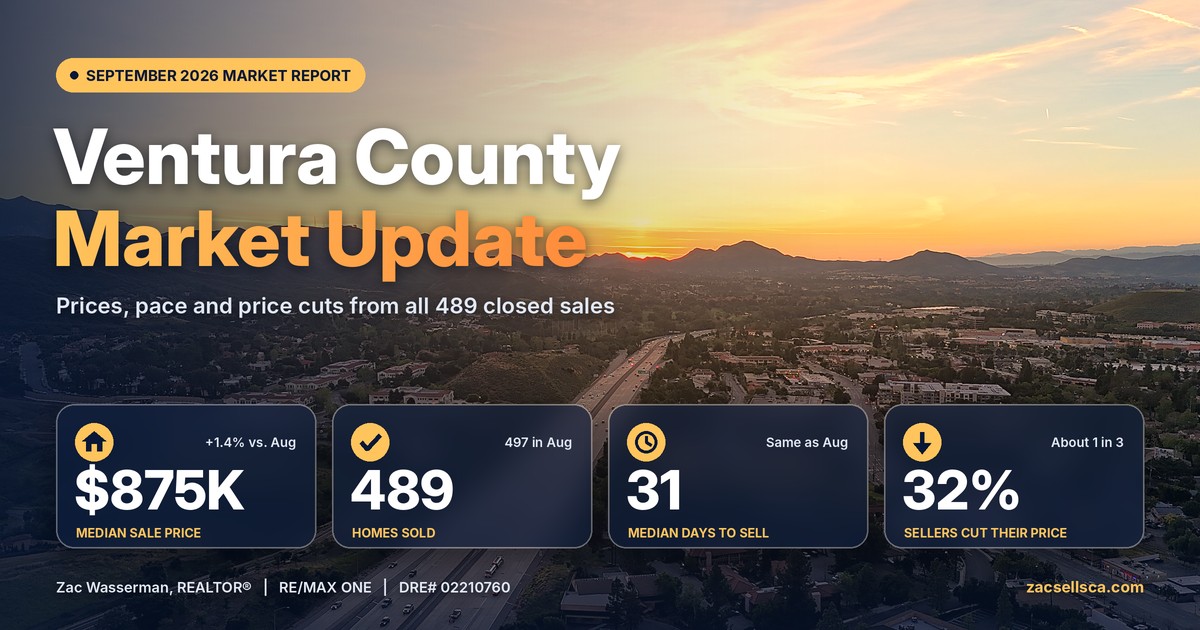
Ventura County’s September 2026 housing market: $875K median price, 489 closed sales, 31 days on market, and city-by-city data for...

State Farm filed to start writing new California home policies again, but only for homes with an IBHS Wildfire Prepared...

Encino real estate in 2026: see median home and condo prices, 494 closed sales, 91436 vs. 91316 trends, neighborhood insights,...

Sherman Oaks real estate in 2026 shows a $1.688M median for single-family homes and $655K for condos and townhomes. See...