
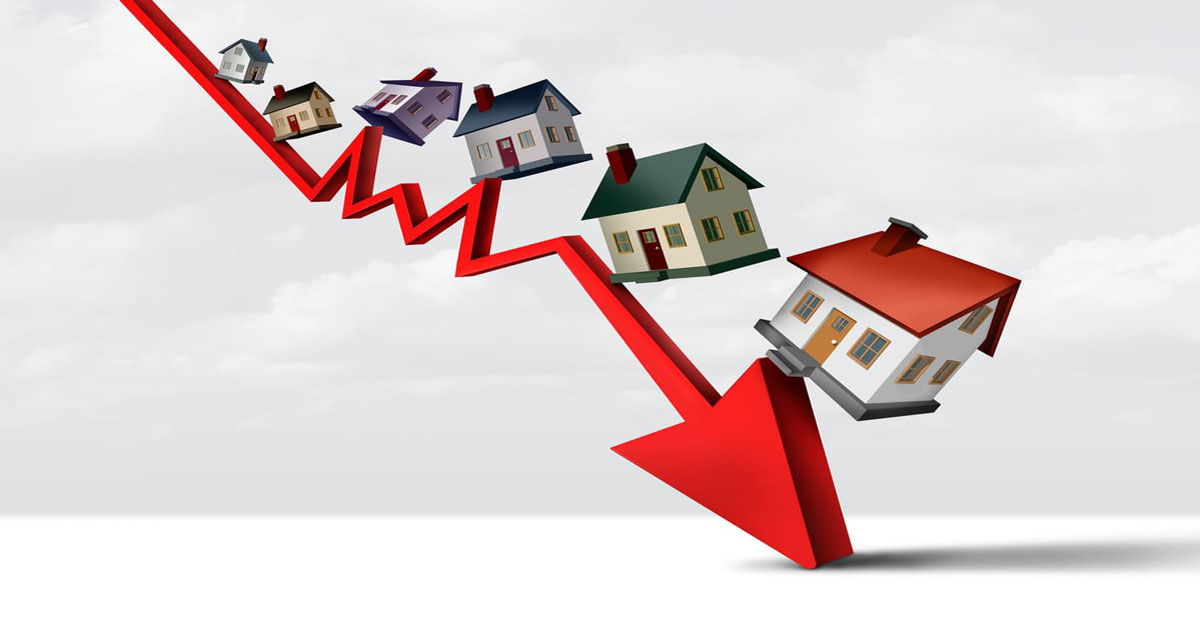
Will the Housing Market Crash in 2026? What Ventura County Homeowners Need to Know
Headlines are loud right now. The local data is more useful. Here is what homeowners and buyers in Ventura County should actually watch in 2026.
By Zac Wasserman, REALTOR® · RE/MAX ONE · CA DRE# 02210760
If you've been asking yourself whether the housing market will crash in 2026, you're not alone. Between elevated mortgage rates, affordability headlines, and an economy that still feels shaky in places, it's a completely reasonable question — especially if you own a home in Ventura County and have watched your equity grow over the past few years.
The short answer:
Based on the actual data right now, most economists and housing analysts do not expect a 2008-style crash in 2026. However, “no crash” does not mean “no risk.”
As a licensed REALTOR® with RE/MAX ONE serving Ventura County and the San Fernando Valley, I track local closed-sale data every month alongside national forecasts. Therefore, this guide walks through what a housing crash actually is, how today compares to 2008, what's happening locally in Ventura County right now, and what the real risks are worth watching instead.
National Price Growth
~1%
Growth has slowed, but that is different from a crash.
Supply Picture
3.8 mo.
Current national supply is tight, not flooded.
Ventura County Median
$880K
Q1 2026 showed stability, not distress.
Will the Housing Market Crash in 2026? The Short Answer
No — not according to the current data. Nationally, home price growth has slowed to roughly 1% annually, mortgage rates are hovering in the low-to-mid 6% range, and housing supply remains tight rather than oversupplied. Additionally, homeowners today are sitting on record levels of built-up equity, which acts as a buffer against the kind of forced, distressed selling that fueled the 2008 collapse.
Instead of a crash, most economists describe 2026 as a market correction or normalization — prices flattening or growing modestly, rather than plummeting. Consequently, the more accurate question isn't “will it crash,” but “where is the market actually softening, and what should I watch for?”
What Actually Causes a Housing Market Crash
A true housing market crash is a sharp, rapid decline in home values — typically 20% or more — driven by a severe imbalance between supply and demand. Historically, that imbalance has been triggered by a combination of factors: a flood of oversupply, risky lending practices that lead to mass defaults, rising unemployment, and forced selling at scale.
In contrast, a market correction is a more gradual pullback, often in the single digits, that reflects prices simply cooling from an unsustainable pace rather than the market breaking down structurally. This distinction matters enormously, because the word “crash” gets used loosely in headlines when “correction” or “softening” is usually the more accurate description of what's actually happening.
How 2026 Compares to 2008 — Where the Data Diverges
| Factor | 2008 Crash Setup | Early 2026 Market |
|---|---|---|
| Housing Supply | Roughly 13 months nationally | Closer to 3.8 months nationally |
| Lending Standards | Loose subprime and no-documentation lending | Much stricter borrower qualification |
| Homeowner Equity | Thin equity cushions for many owners | Significantly stronger equity positions |
The comparison to 2008 comes up constantly, so it's worth addressing directly. In the lead-up to the 2008 crash, national housing supply reached roughly 13 months — a massive oversupply relative to demand. As of early 2026, national housing supply sits closer to 3.8 months, according to the National Association of REALTORS®, which is tight by historical standards, not flooded.
Furthermore, lending standards today are fundamentally stricter than they were in the mid-2000s. The subprime, no-documentation loans that fueled mass defaults in 2008 are largely gone from the mortgage market. Similarly, homeowners currently hold significantly more equity on average than they did heading into the last crash, which reduces the odds of widespread foreclosure-driven selling even if individual households face financial stress.
As a result, while affordability remains a real and serious challenge for many buyers, the structural conditions that caused the 2008 collapse — oversupply, reckless lending, and minimal equity cushions — simply aren't present in the same way today.
What's Actually Happening in the Ventura County Housing Market Right Now
Locally, the data tells a similar story of stability rather than collapse. The Ventura County housing market Q1 2026 closed with a $880,000 countywide median price and a 35-day median days on market — figures that reflect a resilient, if moderating, market rather than one in distress. Meanwhile, closings actually accelerated as the quarter progressed, with March alone seeing 465 closings, a sign of continued spring demand rather than buyer retreat.
The important local nuance is that Ventura County is not moving evenly. Simi Valley may behave differently from Camarillo because its buyer pool often overlaps with San Fernando Valley commuters looking for relative value. Camarillo can be highly neighborhood-specific, with single-story homes, newer homes, and well-priced properties still drawing attention while overpriced listings lose momentum. Thousand Oaks tends to show stronger resilience in desirable school-area pockets and higher-end neighborhoods, but buyers there are still payment-sensitive and more selective than they were during the low-rate years. Oxnard, meanwhile, can show a wider spread between entry-level demand and upper-price-band softness depending on condition, location, and insurance or HOA costs.
Sale-to-list ratios and concession patterns are also important clues. When homes are still closing close to list price, that generally points to a balanced or resilient market. However, if more listings require seller credits, rate buydowns, repair concessions, or multiple price reductions before going pending, that signals buyer leverage is improving in that specific segment. That is not the same as a broad market breakdown; it is a sign that pricing precision matters. In 2026, the best-positioned sellers are usually the ones who price against current pending and closed comps, not against peak-era expectations.
That said, conditions vary meaningfully by city and price band. If you've been wondering specifically whether prices are softening in your area, I've broken that down in detail in my post on are home prices dropping in Ventura County, which covers city-by-city nuance the countywide median can hide. For the fuller quarterly picture, the Ventura County housing market Q1 2026 breakdown covers pricing, inventory, and sale-to-list ratios in more depth.
Local takeaway:
Ventura County is not one single market. Pricing strategy, neighborhood, condition, and price band matter more in 2026 than they did during the frenzy years.
The Real Risks Worth Watching That Aren't a Crash
1. Affordability Pressure
Higher payments continue to sideline many first-time buyers.
2. Lock-In Effect
Owners with ultra-low rates are still reluctant to sell.
3. Pricing Sensitivity
Overpriced homes are sitting longer and reducing more often.
Rather than a crash, the more realistic risks in 2026 are slower-moving and more localized. First, affordability pressure continues to sideline many first-time buyers, which keeps overall sales volume below historical norms even as prices hold steady. Second, homeowners with ultra-low pandemic-era mortgage rates remain reluctant to sell — the so-called “lock-in effect” — which keeps inventory tighter than it would otherwise be.
Interest rate sensitivity is one of the biggest practical risks to watch. Ventura County buyers are not only looking at purchase price; they are calculating monthly payment, property taxes, insurance, HOA dues, and cash reserves. Even a small move in mortgage rates can change what a buyer qualifies for or feels comfortable offering. When rates rise, showings can slow, buyers may ask for seller credits, and listings that are priced aggressively can lose momentum. When rates improve, demand can return quickly because many households are still trying to move but have been waiting for a payment that makes sense.
Inventory pipeline is another slow-moving factor. Ventura County does not have unlimited land for new construction, and many cities face real constraints around zoning, buildable lots, insurance costs, and development timelines. Still, even a modest increase in new-home communities, condo supply, or nearby inventory in competing areas can affect leverage in specific price bands. If buyers suddenly have more choices, especially newer homes with builder incentives or rate buydowns, resale sellers may need to compete more carefully on pricing, condition, and presentation. That is worth monitoring, but it is not the same thing as a countywide oversupply shock.
Additionally, certain price bands and property types are softer than others. Entry-level condos and attached housing have seen flatter appreciation than single-family homes in many markets, including parts of Ventura County. Similarly, homes that are overpriced relative to current comps are sitting significantly longer and often require price reductions — not because the market is collapsing, but because pricing strategy matters more in a moderating market than it did during the frenzy years.
Finally, foreclosure filings have ticked up modestly on a national level compared to the unusually low pandemic-era numbers, though they remain historically low overall. This is generally read as a normalization back toward pre-pandemic baselines, not an early warning sign of a broader collapse.
What This Means If You're a Ventura County Homeowner
If you own a home in Ventura County, the current data suggests your equity is not at meaningful risk of the kind of rapid erosion seen in 2008. However, that doesn't mean every decision is risk-free.
If you're weighing whether to sell now or wait, the timing question deserves its own honest look — my guide on should you wait to buy a house in 2026 covers the buy-side of that same timing question in detail, and much of the same logic on rate expectations applies whether you're buying or selling.
See What Your Home Could Be WorthWhat This Means If You're Thinking About Buying
If crash fears have kept you sitting on the sidelines, it's worth reconsidering that strategy. Since most forecasts point to modest price growth rather than a decline, waiting for a crash that isn't materializing can mean paying more later rather than less.
Instead, focusing on your own financial readiness — a comfortable mortgage payment, adequate reserves, and a home that fits your actual needs — tends to be a more reliable strategy than trying to time a downturn that current data doesn't support.
Talk Through Your Buying StrategyWhere Rates, Prices, and Strategy Go From Here
For a broader look at where rates, prices, and strategy are headed this year across the region, my Southern California housing market forecast for 2026 goes deeper into the numbers driving both Ventura County and the wider LA basin.
FAQ: Housing Market Crash 2026
Will the housing market crash in 2026?
Most economists and housing analysts do not expect a housing market crash in 2026. Current data shows modest price growth, tight (not oversupplied) inventory, and strong homeowner equity — conditions very different from those that preceded the 2008 crash.
What's the difference between a housing market crash and a correction?
A crash is a sharp decline in home prices, typically 20% or more, driven by oversupply and forced selling. A correction is a more gradual pullback, often in the single digits, that reflects prices cooling from an unsustainable pace rather than a structural breakdown.
Is the 2026 housing market similar to 2008?
No. National housing supply in early 2026 sits around 3.8 months, compared to roughly 13 months of oversupply heading into 2008. Lending standards are also significantly stricter today, and homeowners hold substantially more equity on average.
Are home prices dropping in Ventura County right now?
Not broadly. Ventura County's median home price has held relatively steady through 2026, though certain cities and price bands are seeing more softening than others — see my full breakdown on whether home prices are dropping in Ventura County for the city-by-city detail.
Should I wait to buy a house in case the market crashes?
Based on current forecasts, waiting for a crash that most data doesn't support can mean paying more later rather than less. Focusing on your own financial readiness is generally a more reliable strategy than trying to time a downturn.
What should I actually watch instead of crash headlines?
Affordability trends, mortgage rate movement, local days-on-market data, and city-specific pricing are more useful indicators than national crash speculation — especially since Ventura County's market can behave differently city by city.
How can I tell if my local market is softening?
The best signs are usually local, not national. Watch whether median days on market is trending up, whether price reductions are becoming more common, and whether homes are closing farther below list price. A falling sale-to-list ratio can signal that buyers have more negotiating power. You can also look at seller concessions, repair credits, rate buydowns, and how quickly well-priced homes go pending. If only overpriced homes are sitting, that is normal price discovery. If clean, well-priced homes across multiple neighborhoods are also sitting longer, that suggests broader softening.
Want an Honest Read on Your Timing?
Have questions about what's happening in your specific neighborhood, or want an honest read on your timing as a buyer or seller? Contact Zac Wasserman at RE/MAX ONE — your local Ventura County and San Fernando Valley expert — at zacsellsca.com/contact or call/text 805.212.9147. You can also get a free home valuation to see exactly where your equity stands today.
- All Posts
- Buyer Guides
- California Home Insurance & Wildfire Risk
- Home Financing (Mortgage & Loan Guides)
- Market Updates & Forecasts
- Seller Guides
- Back
- Ventura County Real Estate Market Updates
- San Fernando Valley Real Estate Market Updates (Monthly): Prices, Inventory & Trends

Encino Real Estate in 2026: Homes, Prices & Neighborhood Guide Encino Real Estate in 2026: Homes, Prices & Neighborhood Guide...

Sherman Oaks Real Estate in 2026: Homes, Prices & What Buyers Should Know Sherman Oaks Real Estate in 2026: Homes,...
Will the housing market crash in 2027? After the Fed's September hike, see what Ventura County prices, inventory and foreclosures...

Ventura County & Los Angeles Real Estate What the September 2026 Fed Rate Hike Means for Ventura County & LA...

East Los Angeles Real Estate Guide • 2026 Boyle Heights Real Estate Guide 2026: Homes, Prices & What Buyers Should...
Koreatown Real Estate in 2026: Homes, Condos & What Buyers Should Know 2026 Los Angeles Buyer Guide Koreatown Real Estate...